
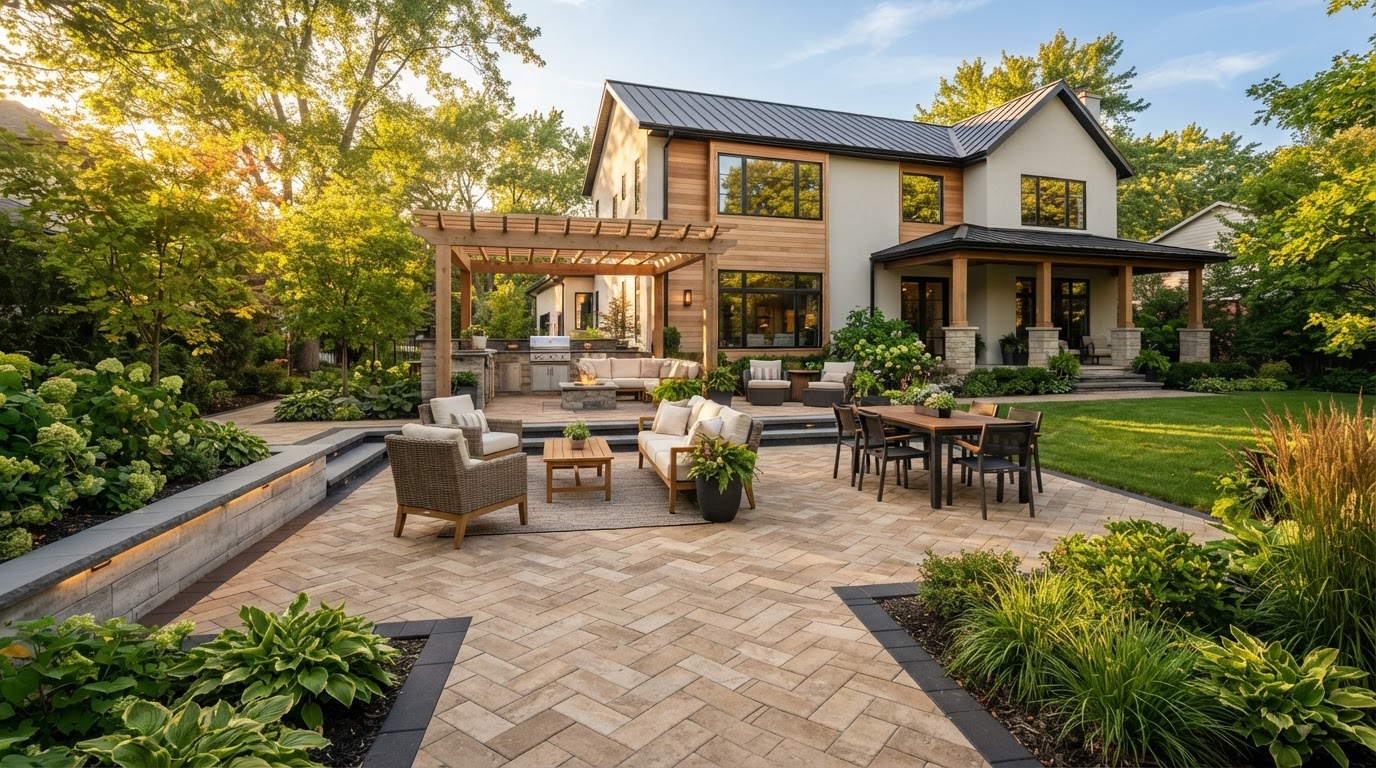
The Patio You'll Actually Want to Live On.
Custom paver patios built on a compacted crushed-stone base that won't shift, dip, or grow weeds — designed around how your family uses the yard.
Your Backyard Can Become Your Favorite Space.
A patio isn't just a flat surface behind the house. It's where morning coffee, weekend cookouts, and quiet evenings happen. The difference between a patio you use every week and one you forget about is almost entirely in what's underneath it.
We build paver patios the way Georgia soil demands — excavated, geotextile-separated, and compacted in lifts before a single paver goes down. The result is a surface that stays flat through wet seasons, drains correctly, and still looks right a decade from now.
Trusted by Metro Atlanta homeowners
Built for long-term performance
A different standard of outdoor construction.
Built for Georgia Clay
Geotextile separation and crushed-stone base prevent the clay underneath from swelling and pushing your patio up.
Repairable, Not Replaceable
Individual pavers lift and reset if a utility trench settles — no cutting out and re-pouring a slab.
Patterns With Purpose
Herringbone, borders, and inlays laid out before installation so the design is intentional, not improvised.
Drains the Right Way
Proper slope moves surface water off the patio and away from the house, not into it.
See the Transformation
Drag the slider to reveal the difference. Real Metro Atlanta project photography.
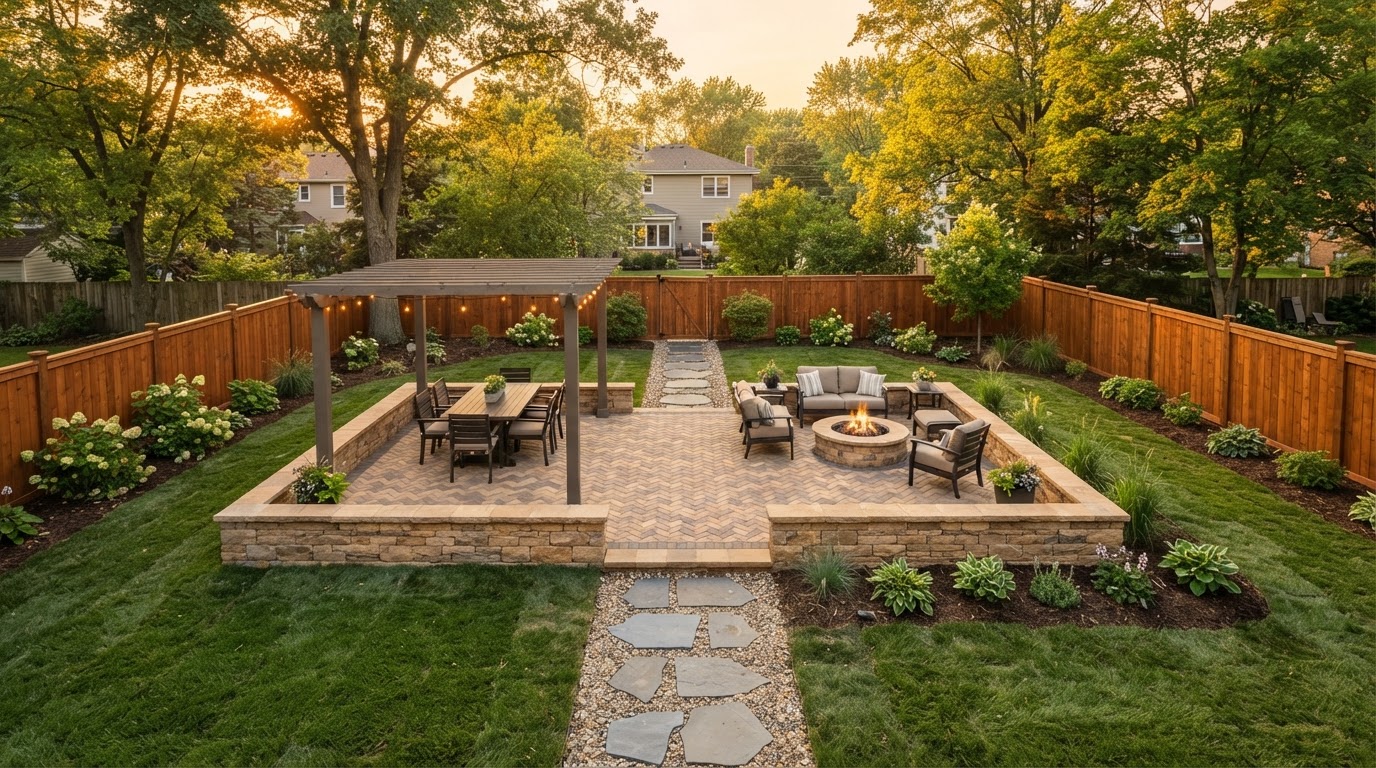
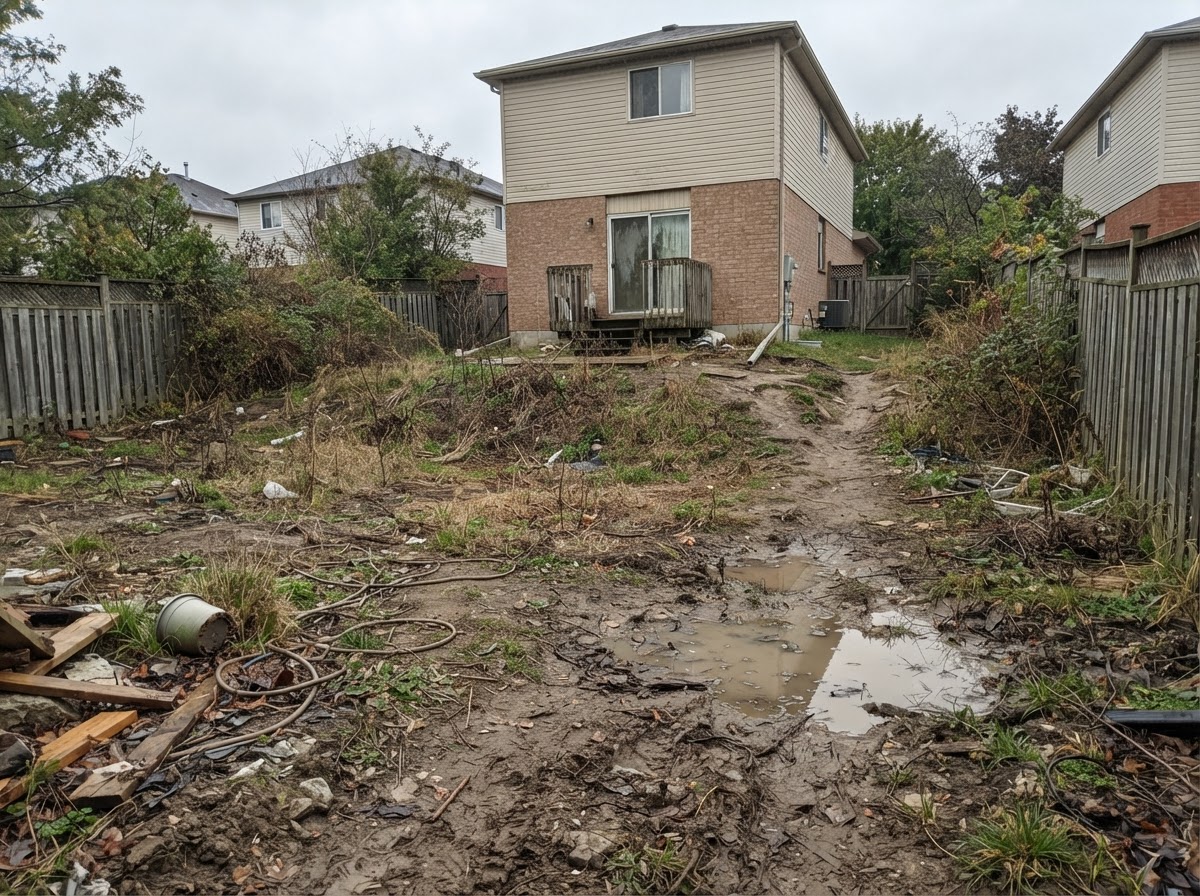 BeforeAfter← Drag to Transform →
Backyard transformation — grading, drainage, and paver patio in Metro Atlanta
Beautiful above the surface.
Built right below it.
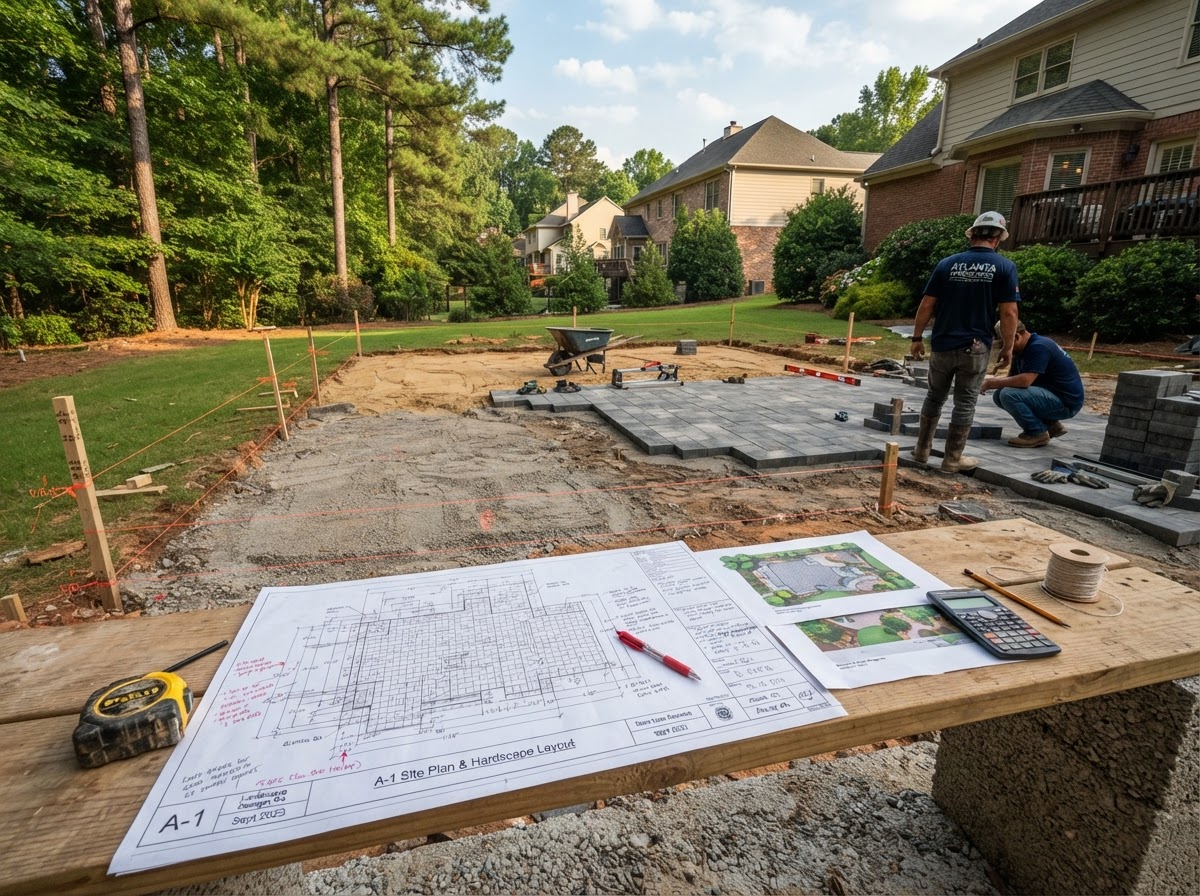
A finished project that looks great on day one is easy. One that still looks great after three wet seasons depends on the work underneath — the preparation most photos never show.
Excavation
We dig to the right depth for your soil and use — not a one-size guess.
Geotextile Fabric
Separates the stone base from clay so the base doesn't sink into mud.
Compacted Base
Crushed stone compacted in lifts so the surface never settles after the first rain.
Screeded Bedding
A level sand layer for clean joints and a perfectly flat finished surface.
Edge Restraints
Rigid borders keep pavers from spreading — the most common cause of patio edge failure.
Polymeric Sand
Joint-locking sand that resists washout, weeds, and ants.
How your project gets built.
Consultation
We walk the property, listen to your priorities, and understand the project goals before anything else.
Planning & Design
We develop the appropriate layout, elevations, and overall direction for your outdoor space.
Material Selection
Materials chosen for aesthetics, performance, architecture, and budget — not just what's in stock.
Site Preparation
Proper excavation, base compaction, and drainage prep so the finished work performs long-term.
Construction
Our crew builds with attention to craftsmanship, precision, and structural detail.
Final Walkthrough
We review every detail of the finished space with you before we call the project complete.
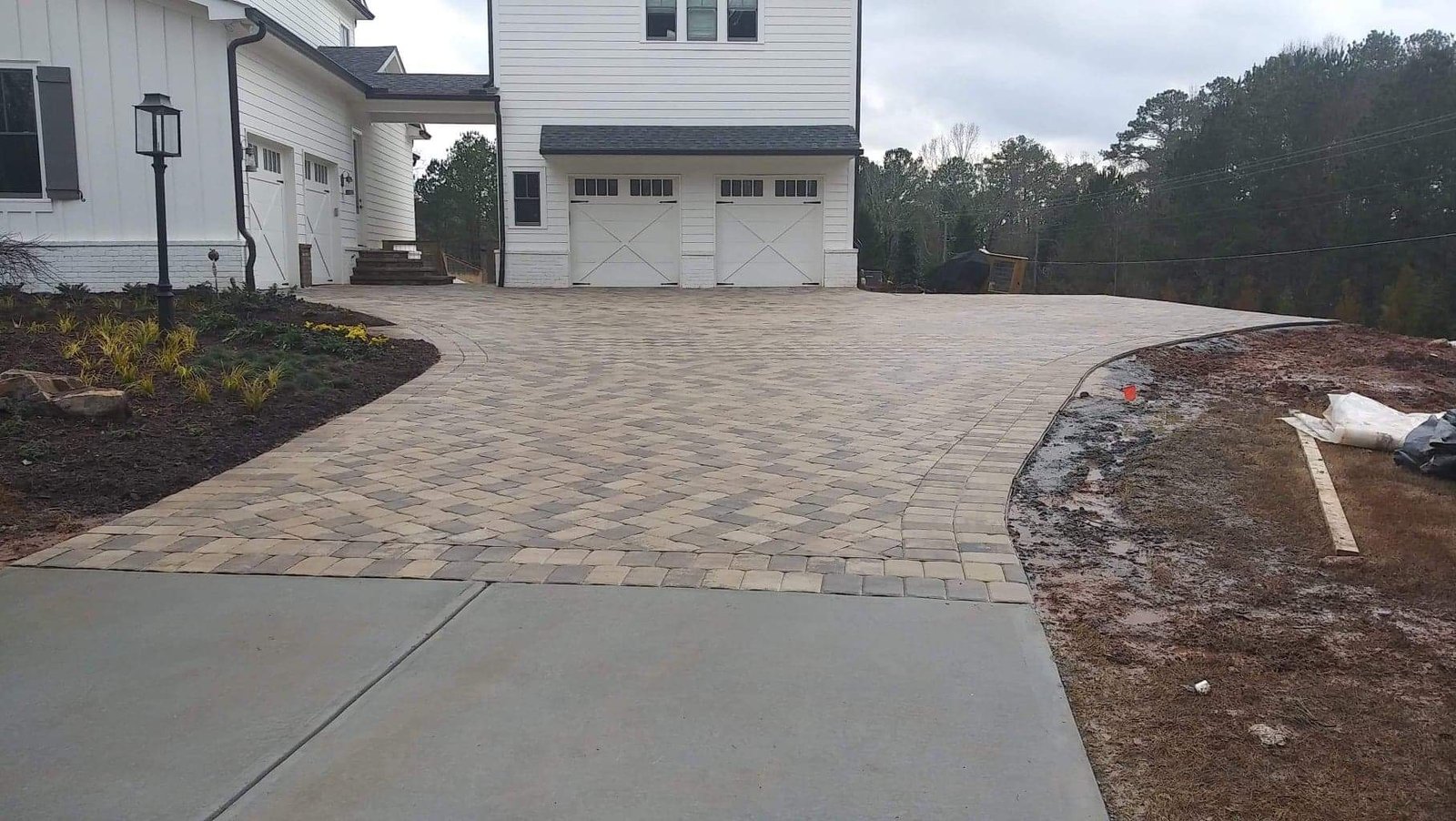
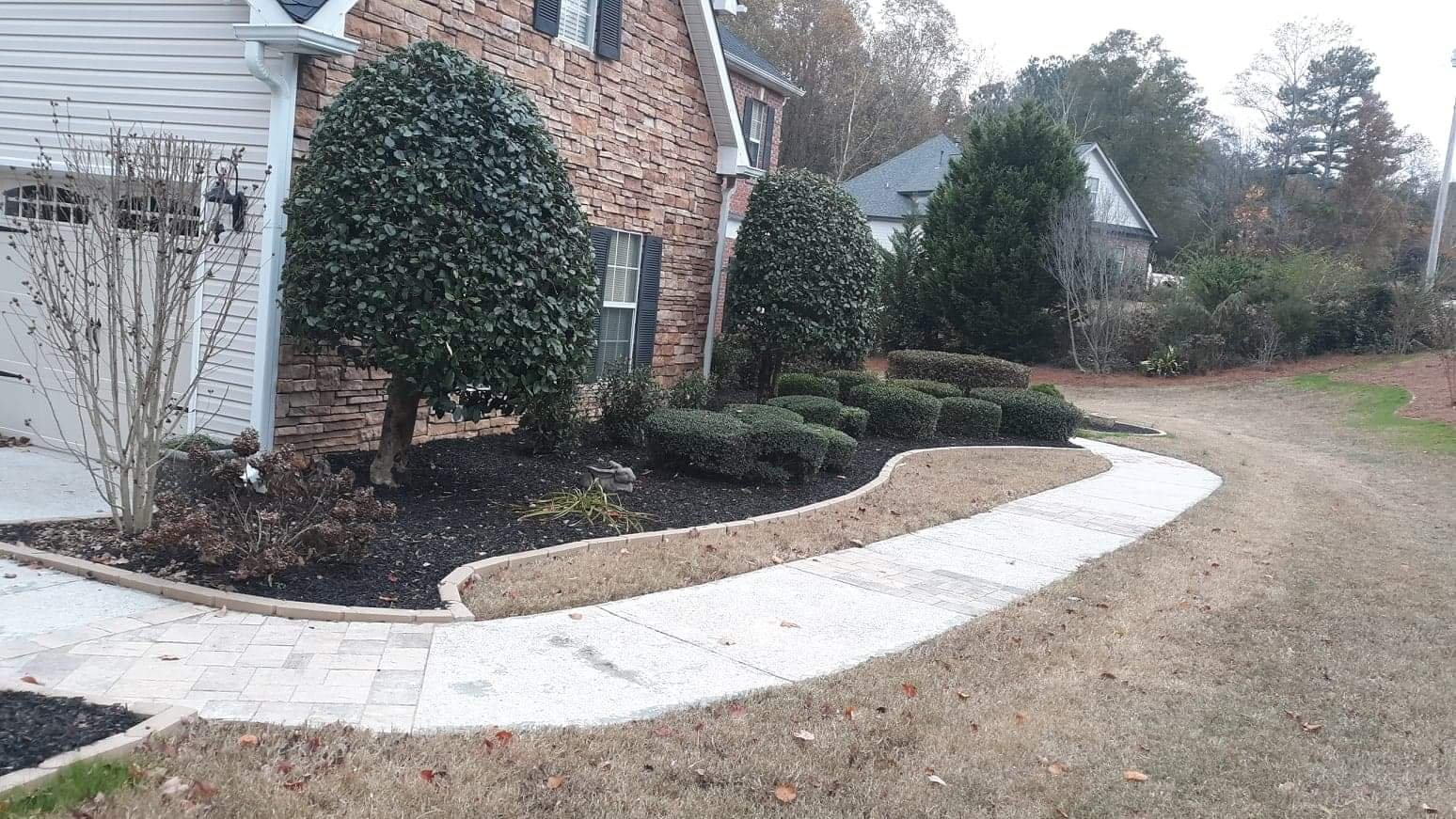
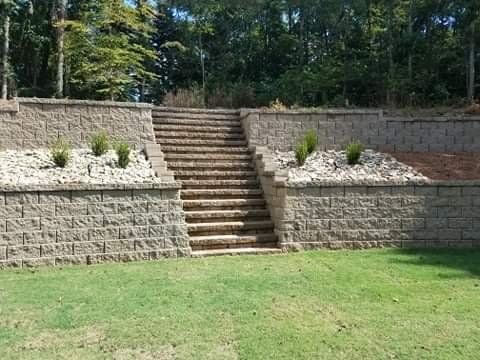
Recent Paver Patios Work
What goes into your project investment.
We don't hide pricing behind a phone call. Here's what actually drives the cost ofpaver patios — and why two similar-looking projects can have very different numbers.
Project Size
Square footage is the baseline — larger patios cost more but reduce the per-foot rate.
Site Access
Tight side yards or steep slopes require smaller equipment and more hand work.
Excavation Depth
Wet clay or poor existing grade means deeper excavation and more base material.
Material Selection
Standard concrete pavers, premium lines, natural stone, or porcelain each sit at different price points.
Pattern Complexity
Borders, inlays, and curves take more cutting time than a straight running bond.
Integrated Features
Fire pits, seating walls, and lighting added into the patio increase scope.
The best way to understand your project investment is with an on-site consultation — we evaluate the actual property and give you a real number, not a guess.
Georgia soil and weather change everything.
Atlanta's red clay expands when wet and shrinks when dry, so a patio base that sits directly on clay will heave within a season. We separate the base with geotextile and compact in lifts so the surface stays flat through Georgia's wet springs and dry summers. Summer downpours also demand correct slope — a patio that traps water against the house is worse than no patio at all.
Built on trust. Backed by our customers.

Michael Thornton
Lawrenceville, GA
Barahona and his crew completely transformed our backyard. The paver patio and fire pit came out better than we imagined. They showed up on time every day, kept the site clean, and the base work they did is rock solid. No settling, no shifting after a full season of rain. Highly recommend.
Paver Patios FAQs
How long do paver patios last?
A properly installed paver patio with a compacted base and polymeric sand can last 25–50 years. Individual pavers can be lifted and reset if one cracks, unlike a poured concrete slab.
Pavers vs. concrete — which is better in Atlanta?
Pavers flex with Georgia's clay soil movement, so they resist cracking better than poured concrete. They're also cooler underfoot in summer and easier to repair.
Do pavers get weeds between them?
With polymeric sand locking the joints, weed growth is minimal. Occasional re-sanding every few years keeps joints tight.
Related Services
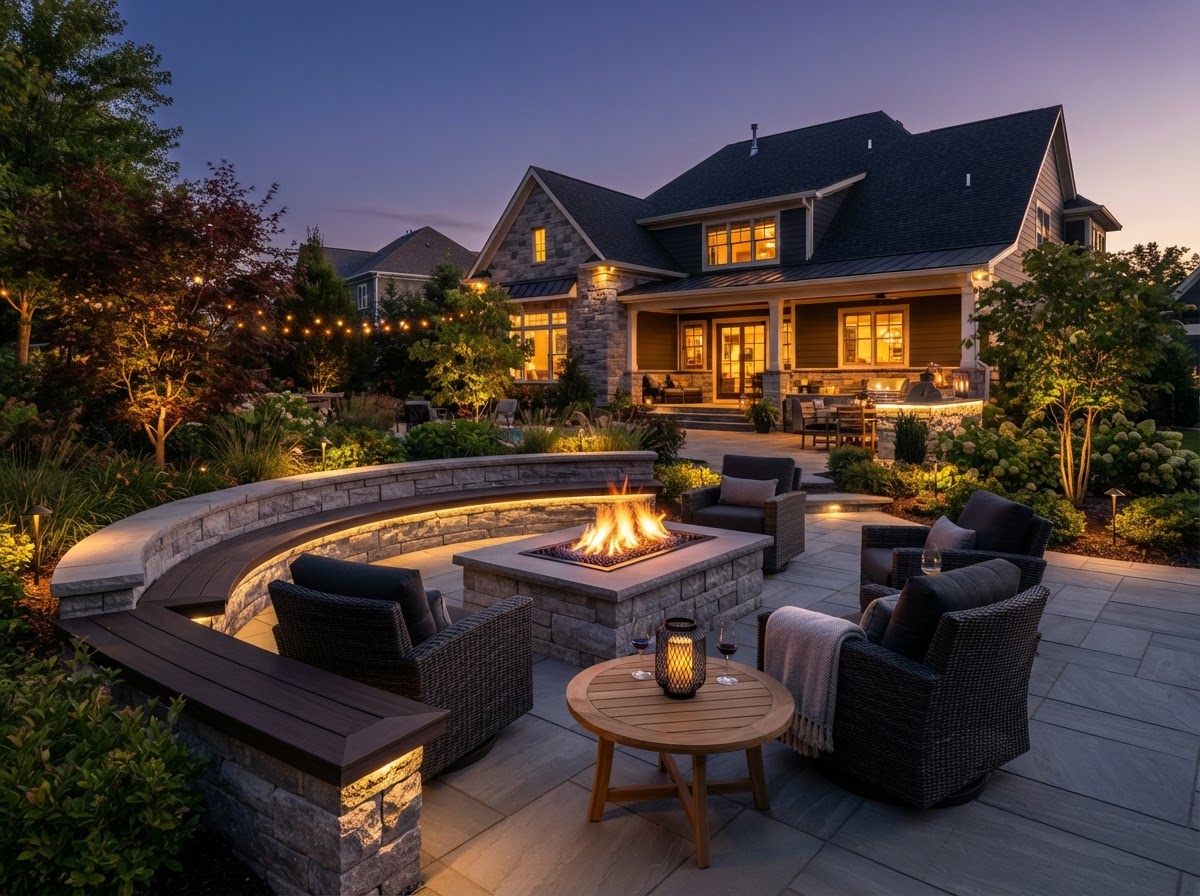
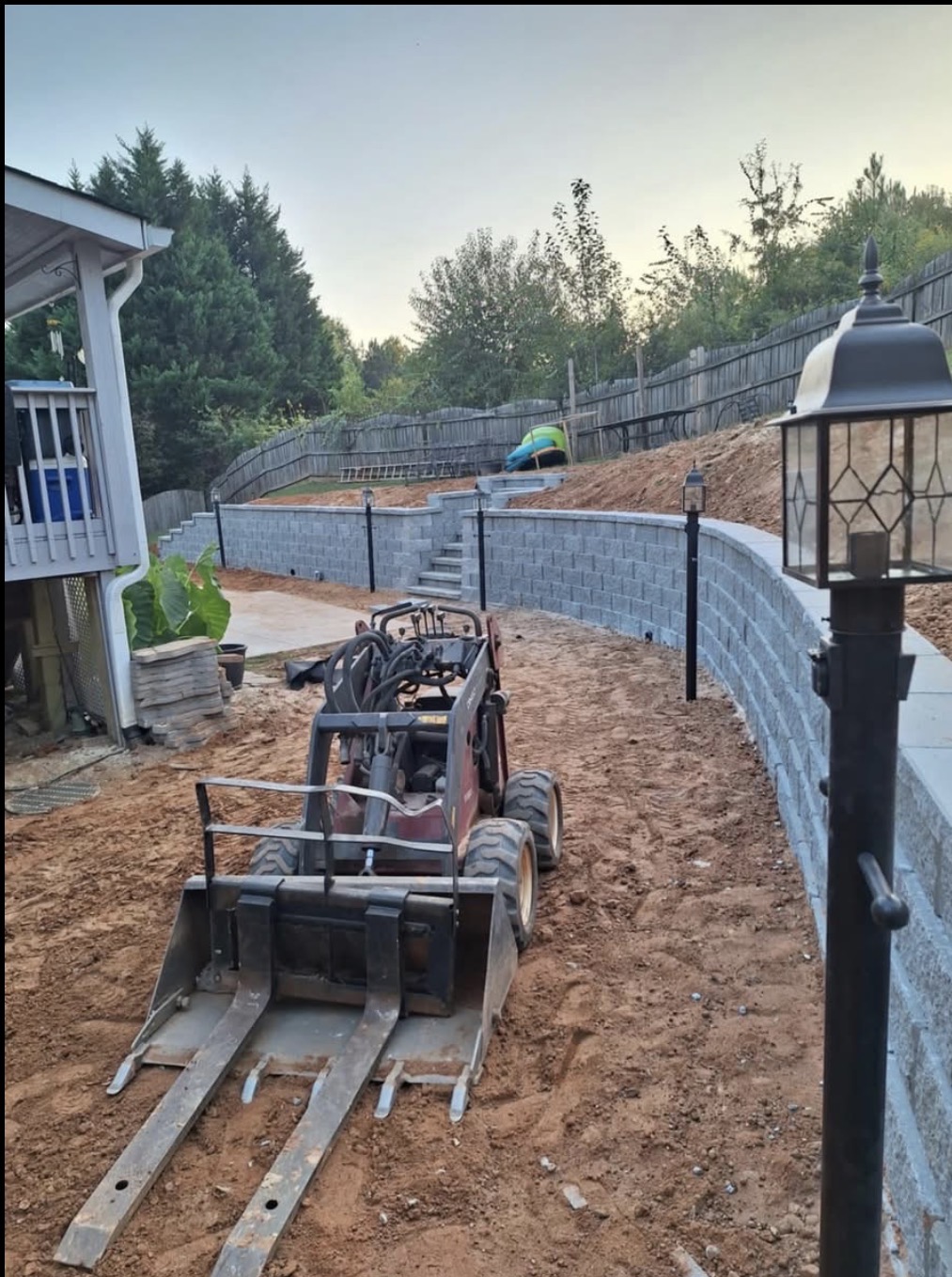
Learn More About This Service
Service Areas
We provide paver patios across Metro Atlanta, including:
Ready to build?
Get an accurate, free estimate from our local Metro Atlanta team. No pressure, no obligation.
+1 (678) 663-6921Monday – Saturday: 7:00 AM – 7:00 PM
Let's Create Something Extraordinary.
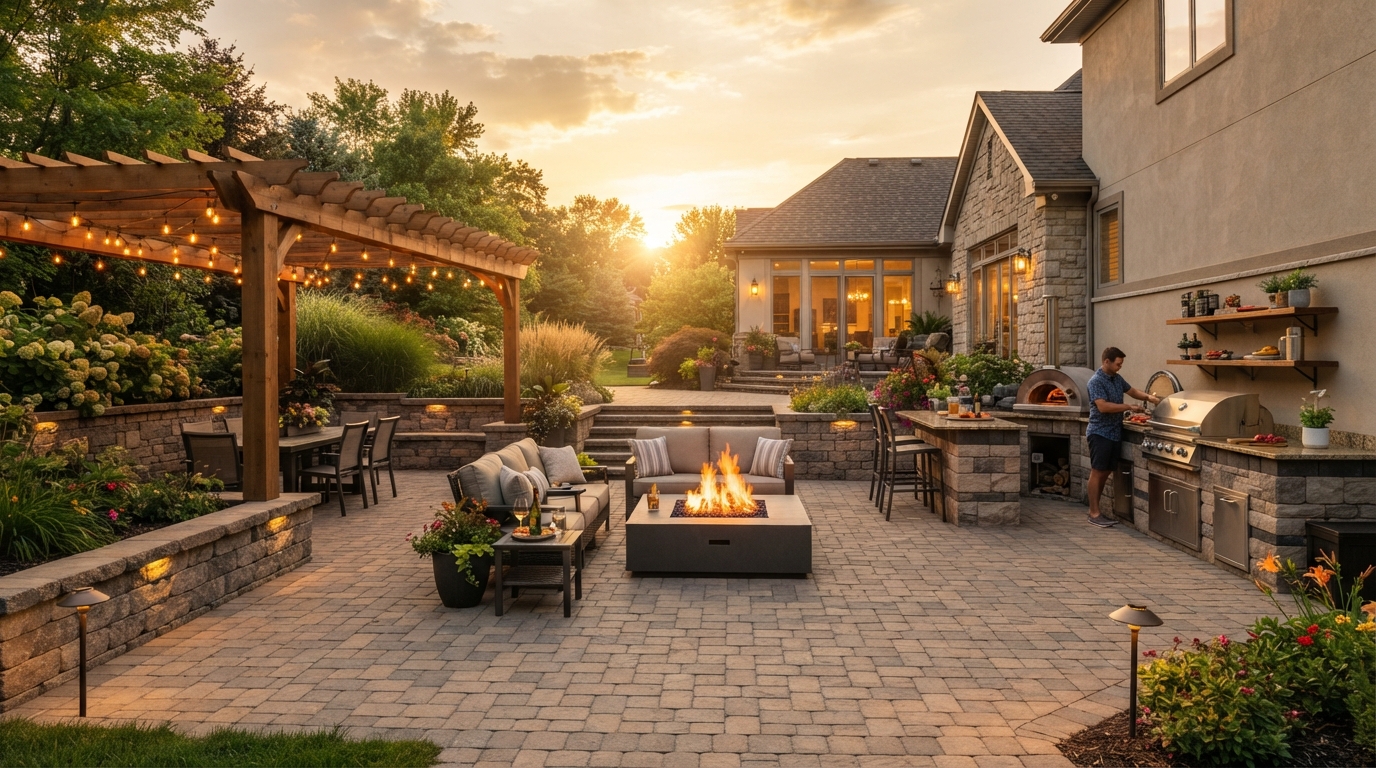
Your outdoor space has more potential than you think. Let's talk about what it could become.