
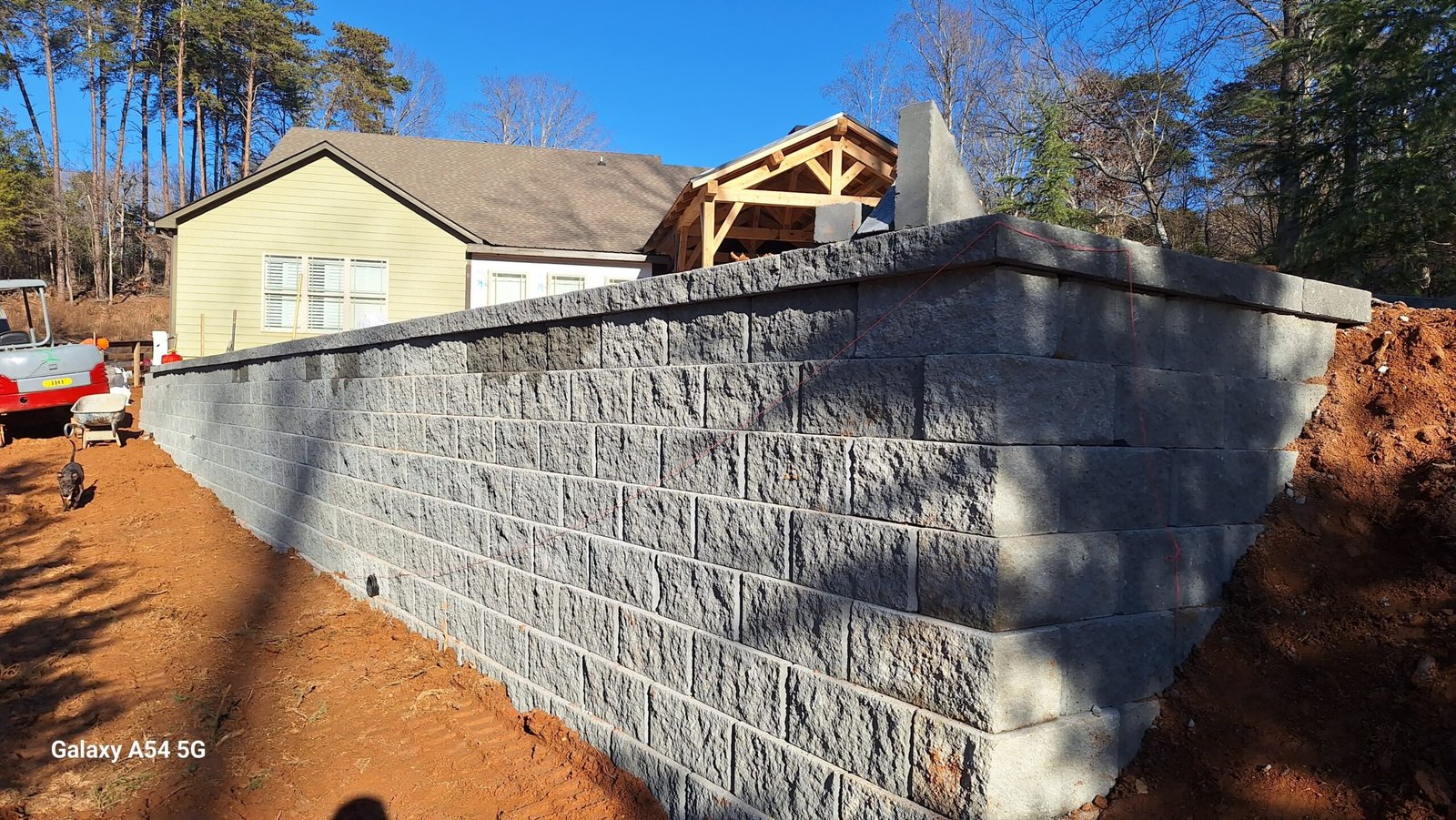
Water Shouldn't Control Your Property.
French drains, catch basins, and downspout lines sized to your yard and graded to flow — so water leaves instead of pooling, flooding, and eroding.
Standing Water Is a Symptom, Not the Problem.
Water pooling in your yard for days after rain isn't bad luck — it's slope, soil, or runoff with nowhere to go. Atlanta's heavy clay absorbs water slowly, and when a storm dumps rain faster than the soil can take it, the water sits on top. If the grade funnels it to one spot, you get a pond.
We don't bury a pipe and hope. We read where the water comes from, where it can legally go, and how much area contributes to it — then design a system sized to actually handle it. Grading fixes the cause where the slope is wrong; drains move water that has no outlet. Many properties need both.
Trusted by Metro Atlanta homeowners
Built for long-term performance
A different standard of outdoor construction.
Sized to the Area
Pipe and catch basin capacity matched to the contributing area — not a one-size trench.
Graded to Flow
Correct slope on the pipe so water actually moves to the discharge point.
Fabric-Lined
Geotextile keeps fine clay particles from clogging the drainage stone.
Legal Discharge
Water routed to a safe outlet — not onto a neighbor's property or into a foundation.
See the Transformation
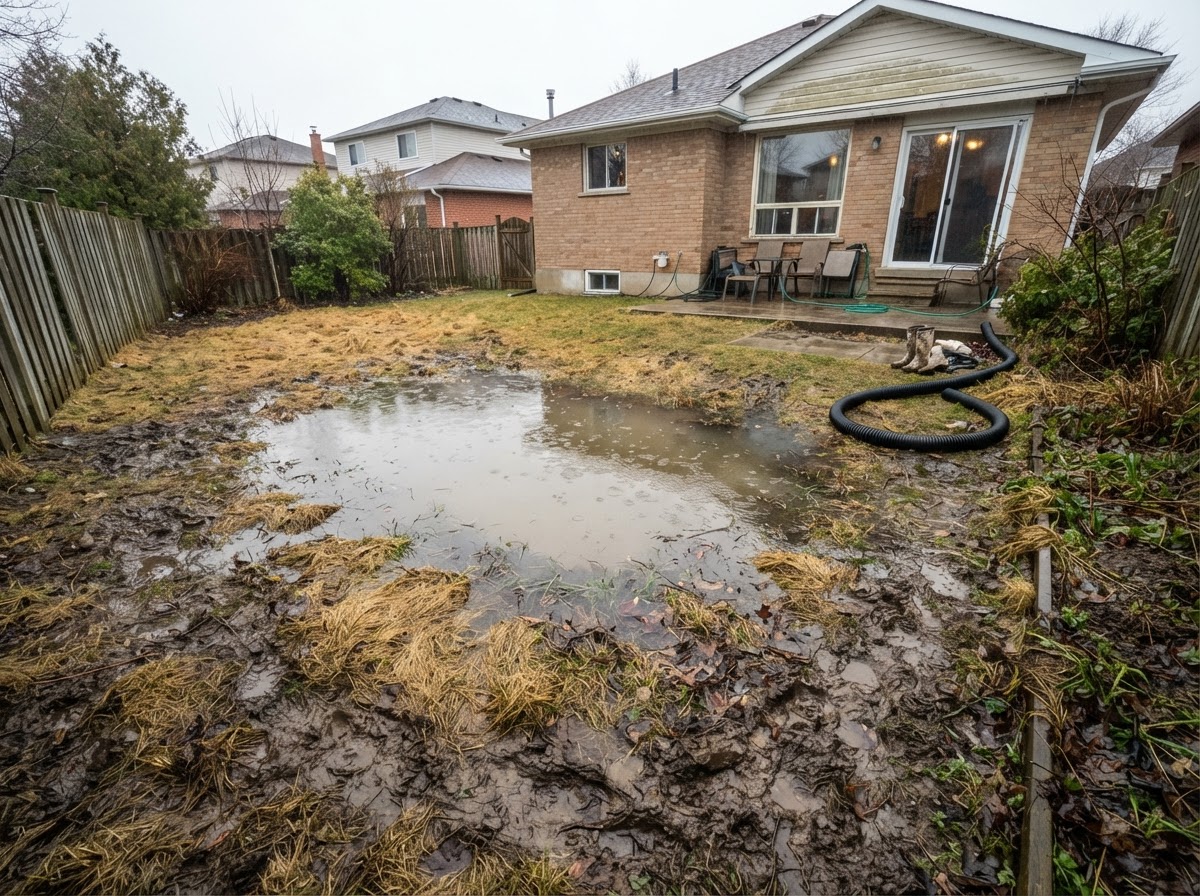
Drag the slider to reveal the difference. Real Metro Atlanta project photography.
 BeforeAfter← Drag to Transform →
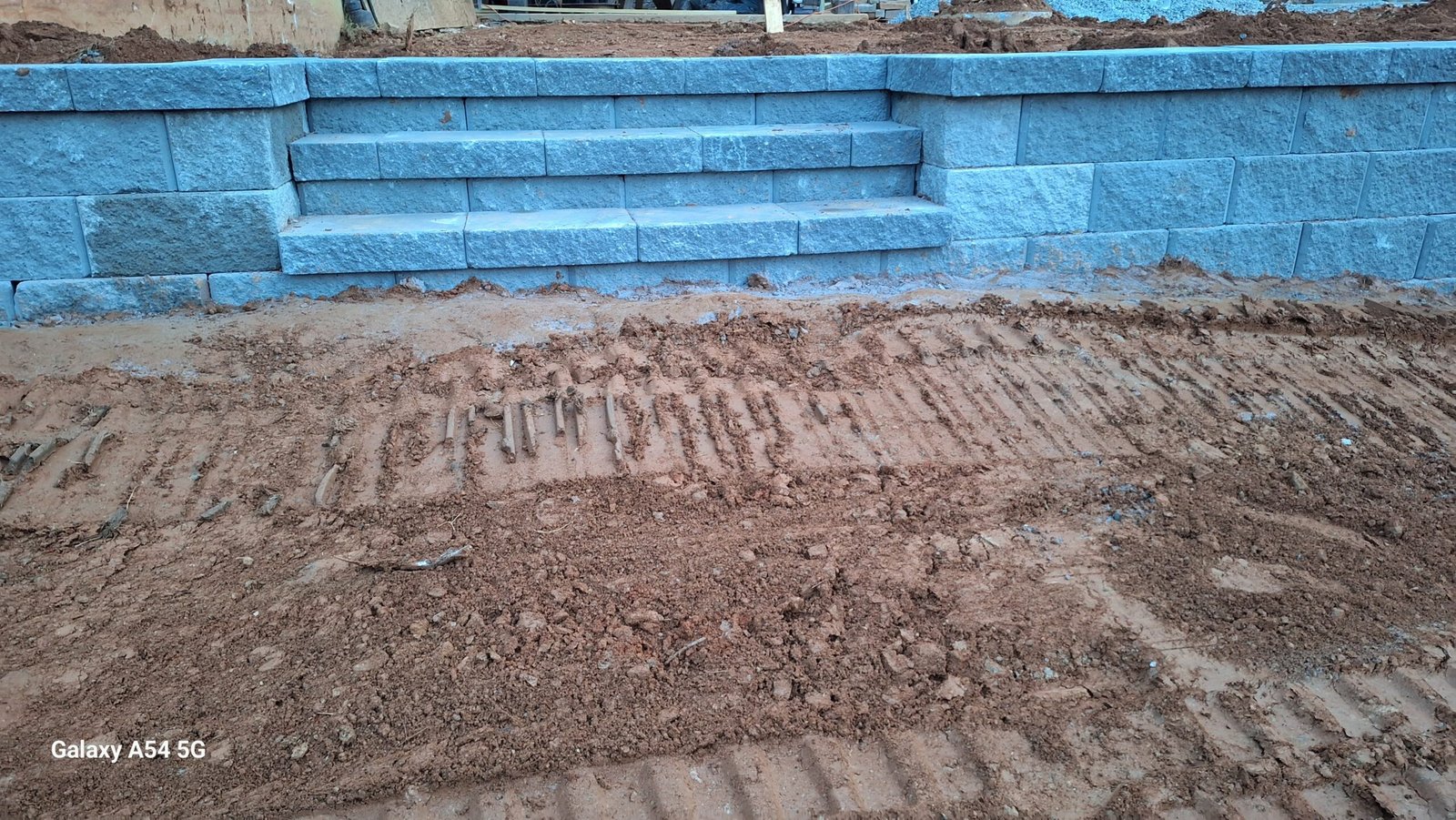
French drain & regrading — Norcross, GA: standing water eliminated within hours of rain
Beautiful above the surface.
Built right below it.
A finished project that looks great on day one is easy. One that still looks great after three wet seasons depends on the work underneath — the preparation most photos never show.
Flow Evaluation
We watch where water goes during a storm before designing the fix.
Correct Depth
Trenches dug deep enough to capture water and maintain slope to discharge.
Washed Stone
Clean stone around the pipe lets water enter freely without clogging.
Geotextile Wrap
Fabric separates stone from clay so the system doesn't fill with fines.
Catch Basins
Placed at low points to collect surface water before it reaches the house.
Discharge Routing
Water carried to a safe outlet — pop-up emitter, dry creek, or storm tie-in.
How your project gets built.
Consultation
We walk the property, listen to your priorities, and understand the project goals before anything else.
Planning & Design
We develop the appropriate layout, elevations, and overall direction for your outdoor space.
Material Selection
Materials chosen for aesthetics, performance, architecture, and budget — not just what's in stock.
Site Preparation
Proper excavation, base compaction, and drainage prep so the finished work performs long-term.
Construction
Our crew builds with attention to craftsmanship, precision, and structural detail.
Final Walkthrough
We review every detail of the finished space with you before we call the project complete.
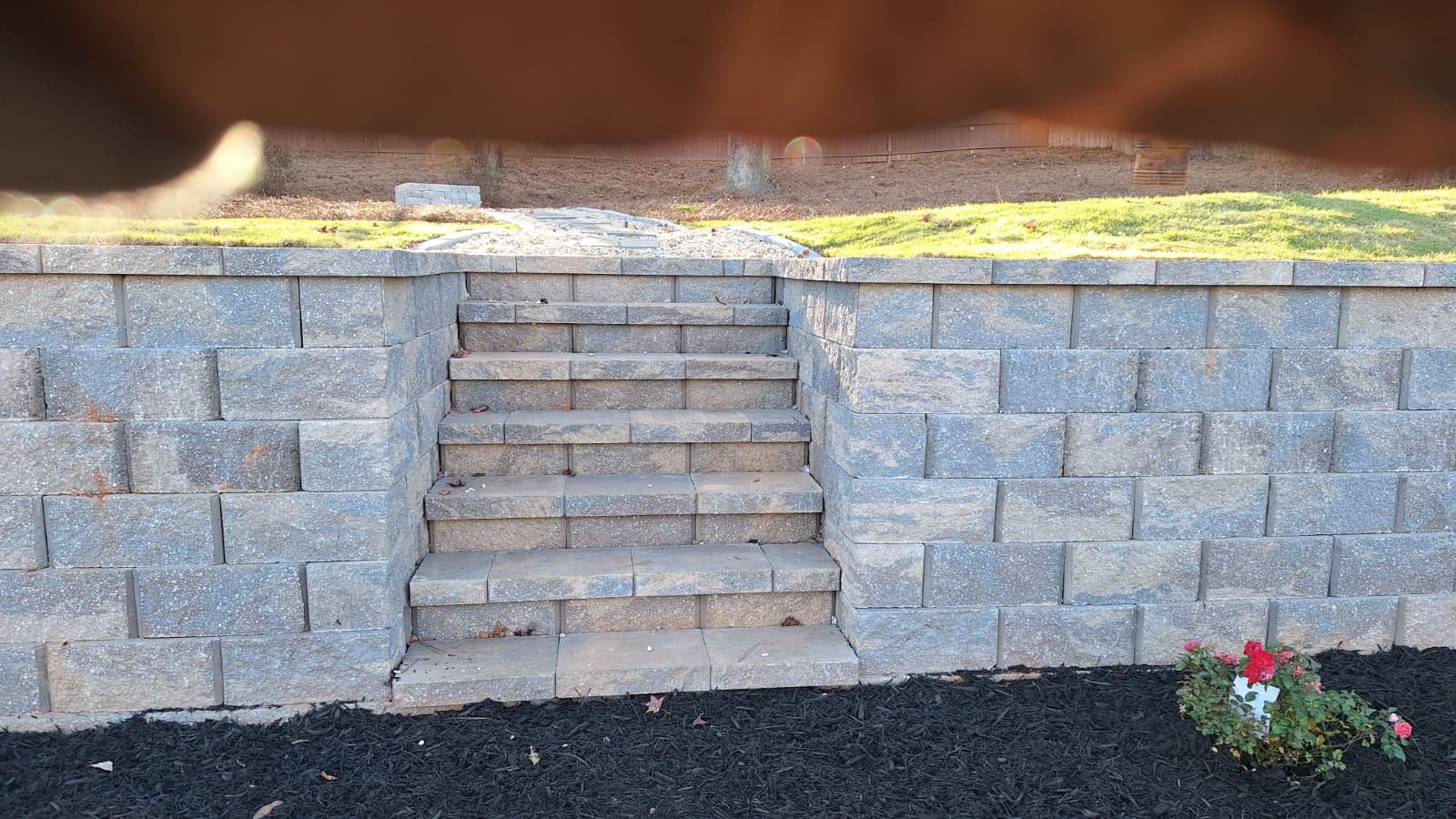
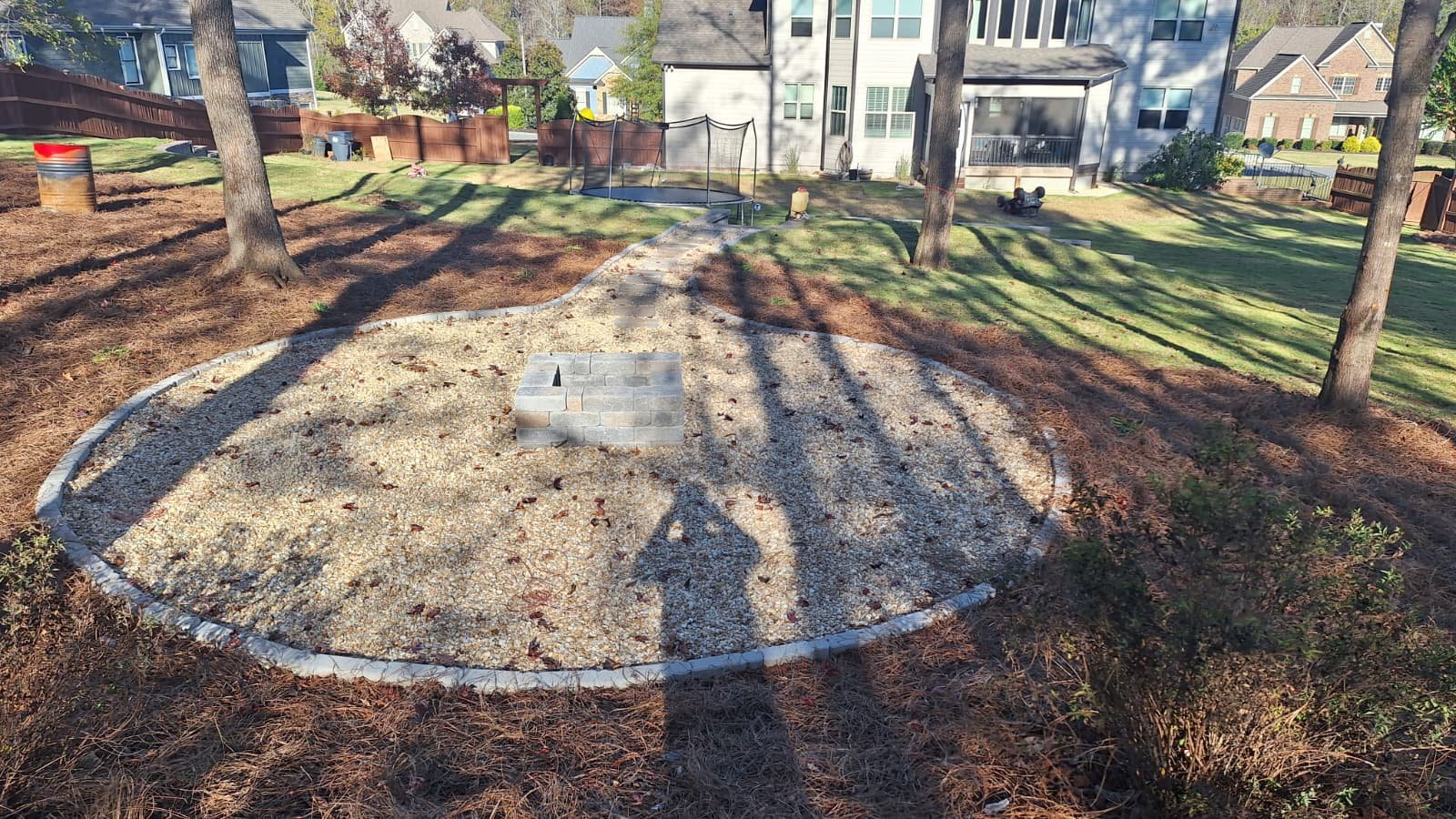
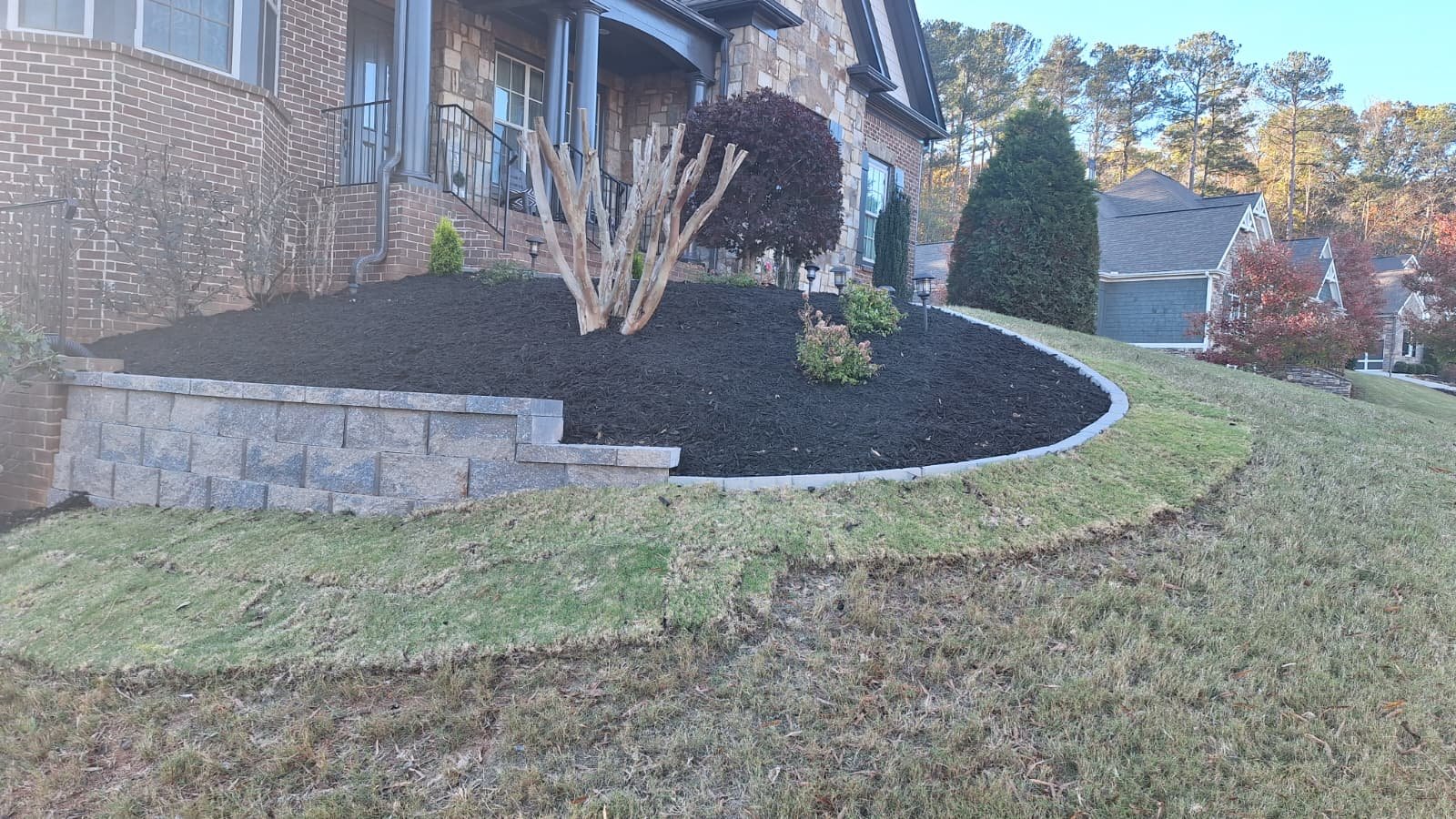
Recent Drainage Solutions Work
What goes into your project investment.
We don't hide pricing behind a phone call. Here's what actually drives the cost ofdrainage solutions — and why two similar-looking projects can have very different numbers.
System Length
Longer runs mean more trenching, pipe, and stone.
Depth & Access
Deep systems or tight access for equipment increase labor.
Catch Basins & Grates
Number and size of surface collection points.
Discharge Routing
How far water must travel to a legal, safe outlet.
Grading Scope
Properties needing regrade in addition to a drain add earthwork.
Existing Conditions
Mature landscaping, utilities, or hardscape to work around.
The best way to understand your project investment is with an on-site consultation — we evaluate the actual property and give you a real number, not a guess.
Georgia soil and weather change everything.
Atlanta's clay soil and tight lots make drainage one of the most common problems we solve. Heavy clay absorbs water slowly, and summer thunderstorms dump rain faster than the ground can take it. A drain that isn't sized to the contributing area, or isn't graded to flow, will sit full and do nothing. We design for Georgia's actual rainfall, not a national average.
Built on trust. Backed by our customers.

Jennifer Ramsey
Decatur, GA
We had a failing timber wall that was bowing badly. Barahona removed it and built a proper block wall with drainage behind it. The difference is night and day. They explained everything they were doing and why, and the price was fair for the quality of work. Our yard finally drains right.
Drainage Solutions FAQs
Why does water pool in my yard after rain?
Usually it's a low spot, compacted clay soil, or runoff from a slope or roof with nowhere to go. A French drain or regrading can route that water to a discharge point.
French drain vs. grading — which do I need?
If the slope is wrong, grading fixes the cause. If water has nowhere to go even with correct slope, a drain moves it. Many properties need both — we evaluate and recommend.
What are signs of a drainage problem?
Standing water 24+ hours after rain, dying grass, wet crawl space, eroding mulch, and water stains on the foundation. Any of these warrant an evaluation.
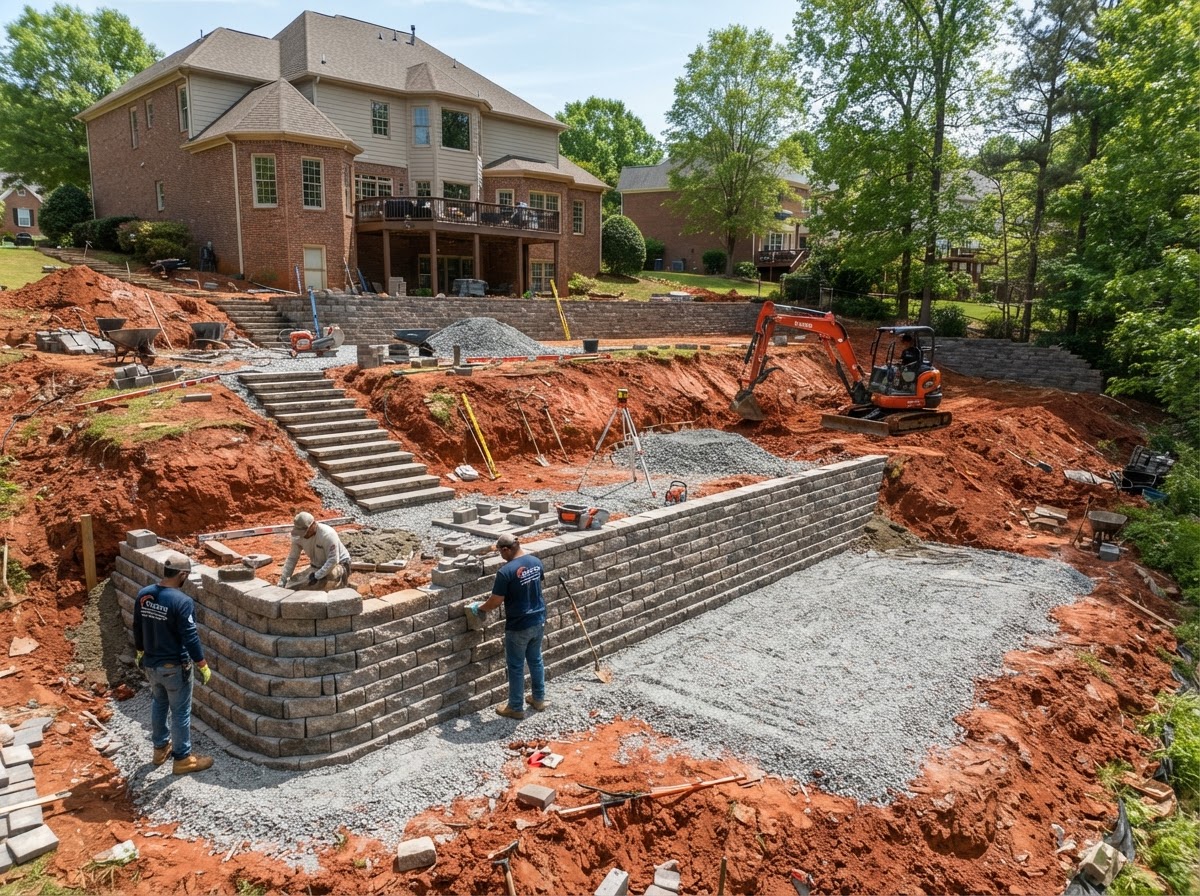
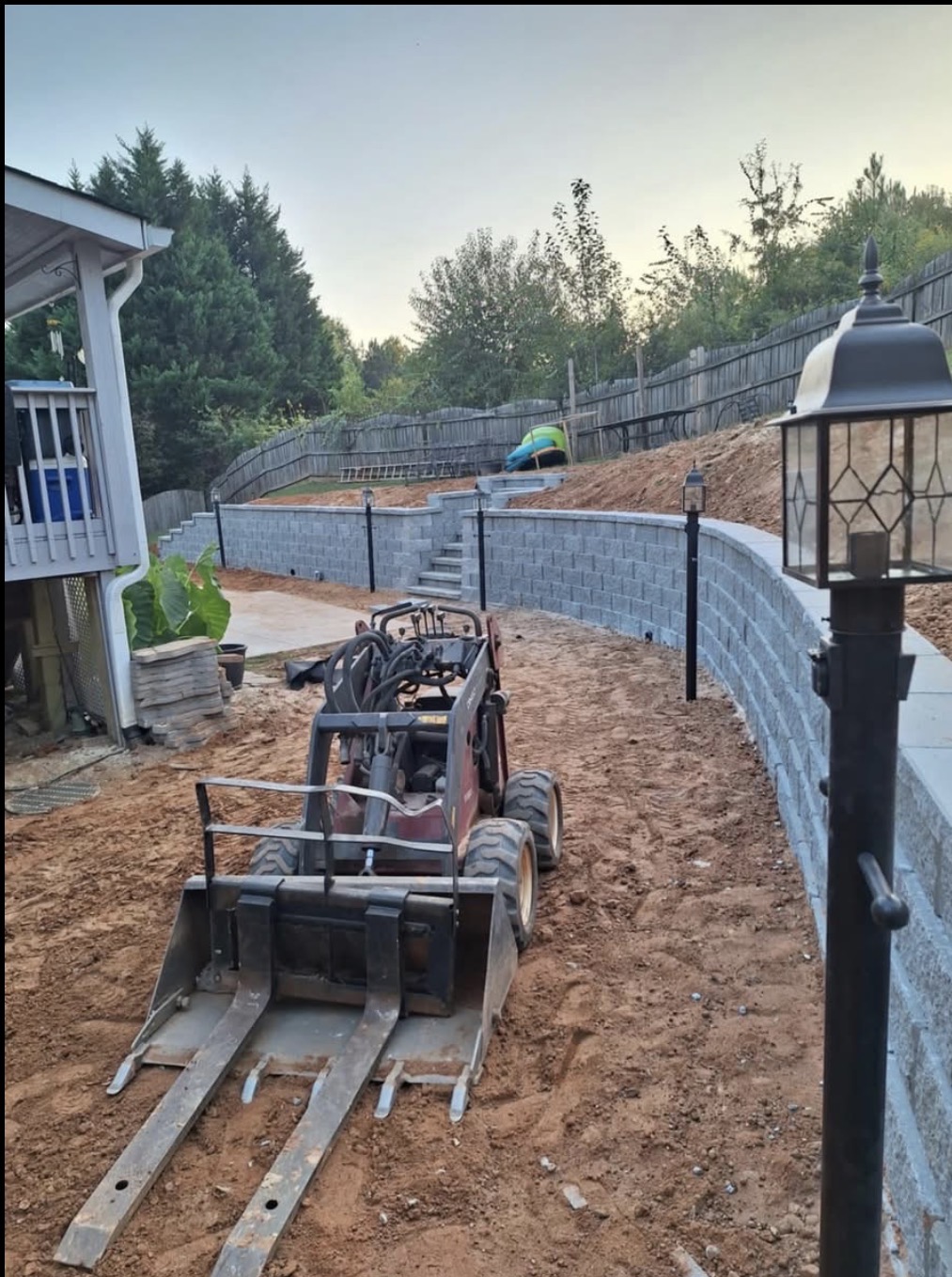
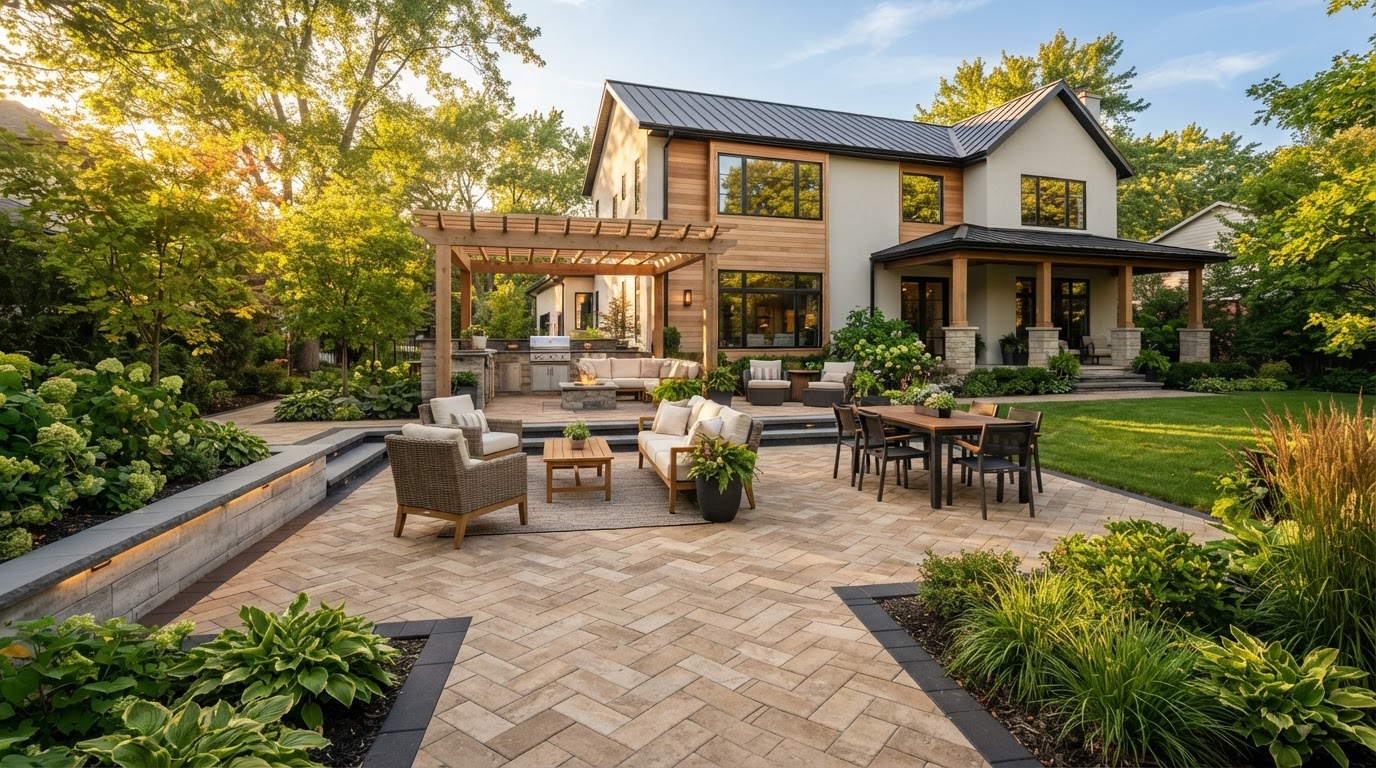
Related Services
Service Areas
We provide drainage solutions across Metro Atlanta, including:
Ready to build?
Get an accurate, free estimate from our local Metro Atlanta team. No pressure, no obligation.
+1 (678) 663-6921Monday – Saturday: 7:00 AM – 7:00 PM
Let's Create Something Extraordinary.
Your outdoor space has more potential than you think. Let's talk about what it could become.