
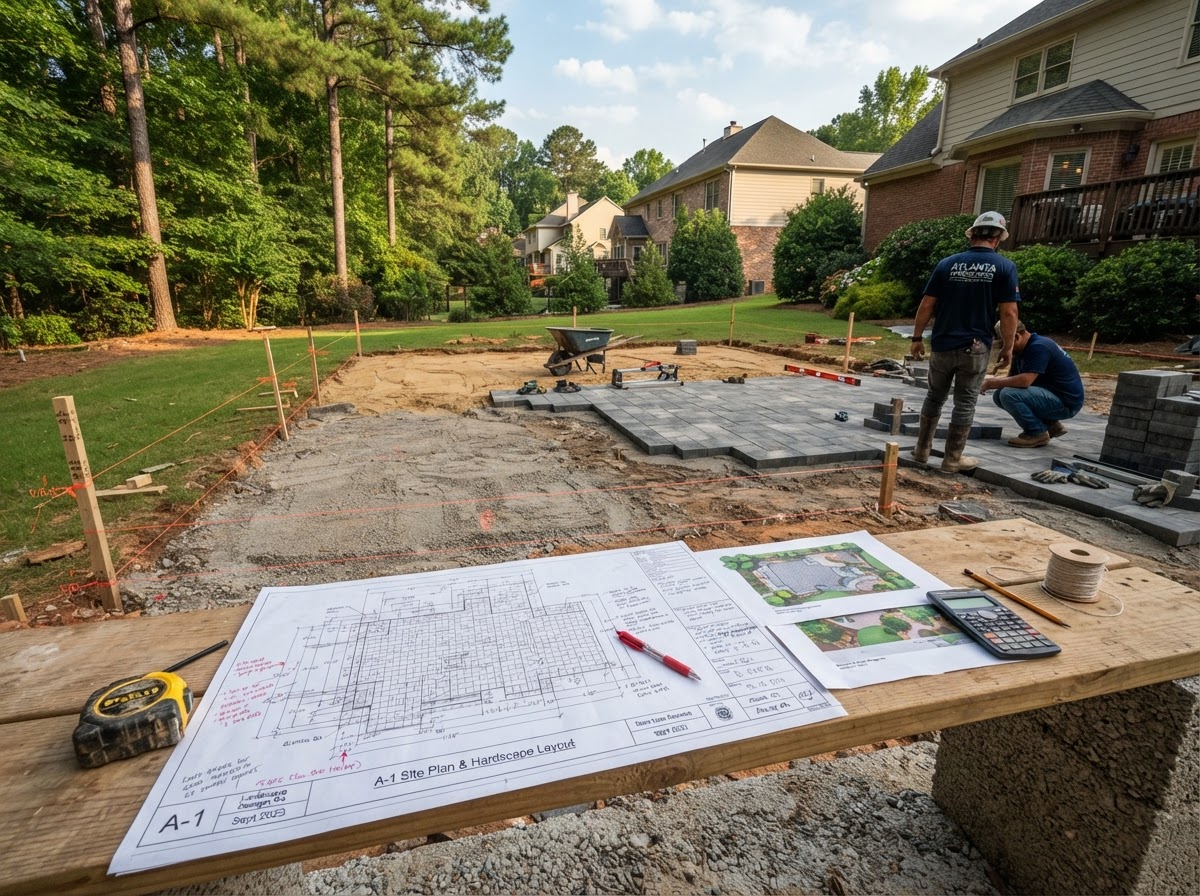
 Planning
How to Plan a Hardscaping Project From Start to Finish
A successful hardscape project starts long before the first paver goes down. Here's how to plan the scope, budget, layout, and timeline so the build goes smoothly.
Start with how you'll use the space
Before materials, patterns, or pricing, the first planning question is functional: what will you actually do in this space? A patio for a family of five with a grill and a fire pit has different requirements than a quiet reading nook or an entertainment area for hosting twenty people.
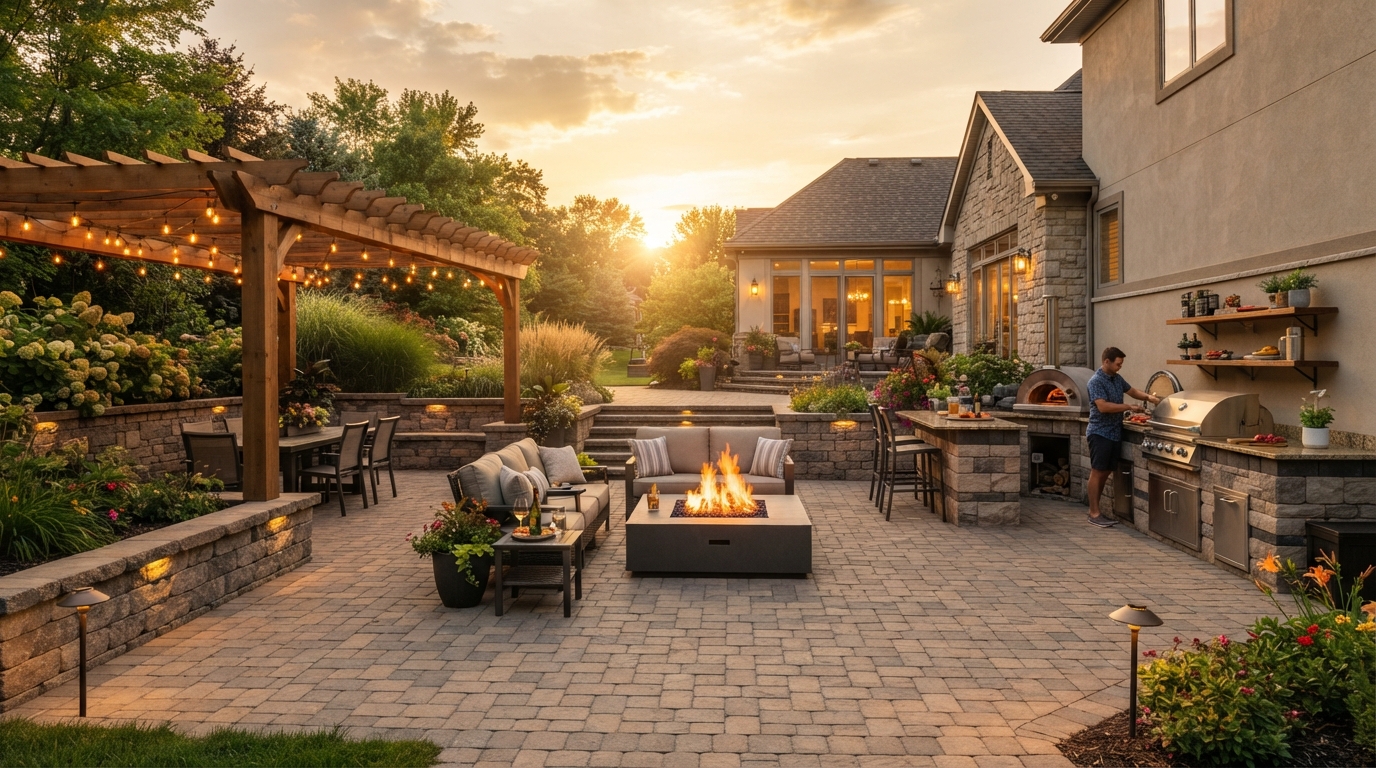
List the activities, the number of people, the furniture you want to fit, and any features — fire pit, seating wall, pergola, outdoor kitchen. That list drives the size, layout, and load requirements of everything that follows.
Read your property's constraints
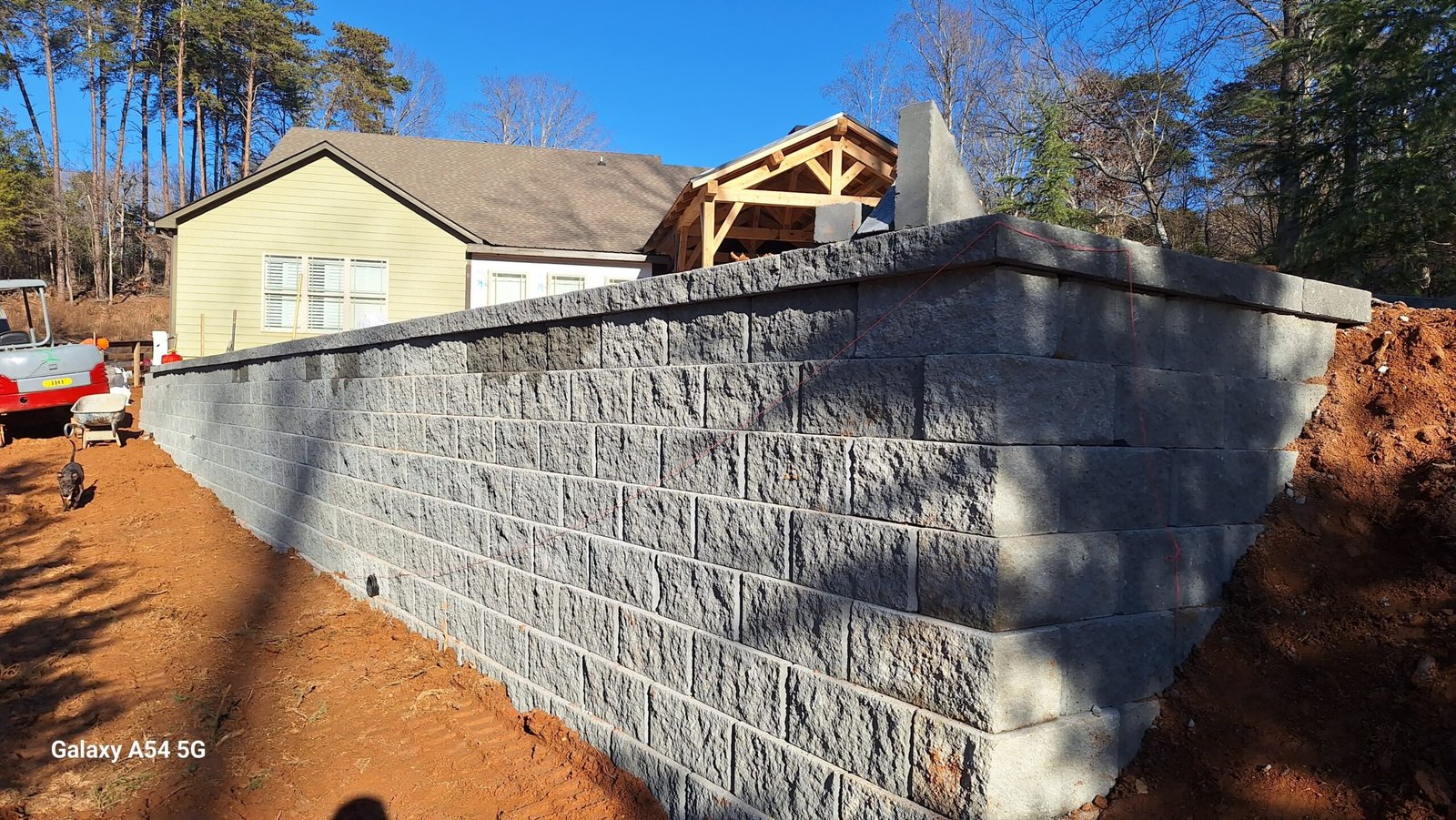
Every lot has limits that shape the design. Slope determines whether grading or a retaining wall comes first. Soil type — and in Atlanta that usually means clay — drives base depth and drainage needs. Existing trees, utilities, property lines, and setbacks all constrain where hardscape can go.
Drainage is the constraint most often missed in planning. If water currently runs through the area where you want a patio, that has to be solved as part of the project, not after. Planning drainage in from the start is far cheaper than fixing it later.
Set a realistic budget range
Hardscaping is priced by the scope of work, not by a flat rate per square foot. A simple paver walkway and a multi-level patio with retaining walls, steps, and drainage are completely different projects. Give your contractor a budget range early so the design can be shaped to fit it.
Be honest about what you can invest. A good contractor will tell you what's possible within that range and where spending more delivers lasting value — usually in base preparation and drainage, the two things you can't see but that determine how long the project lasts.
Plan the layout and flow
A great hardscape connects to the house, the yard, and the way you move between them. Think about traffic patterns — how you'll walk from the back door to the patio, where the grill sits relative to the seating, whether there's room to pull chairs out. Function drives the layout before aesthetics.
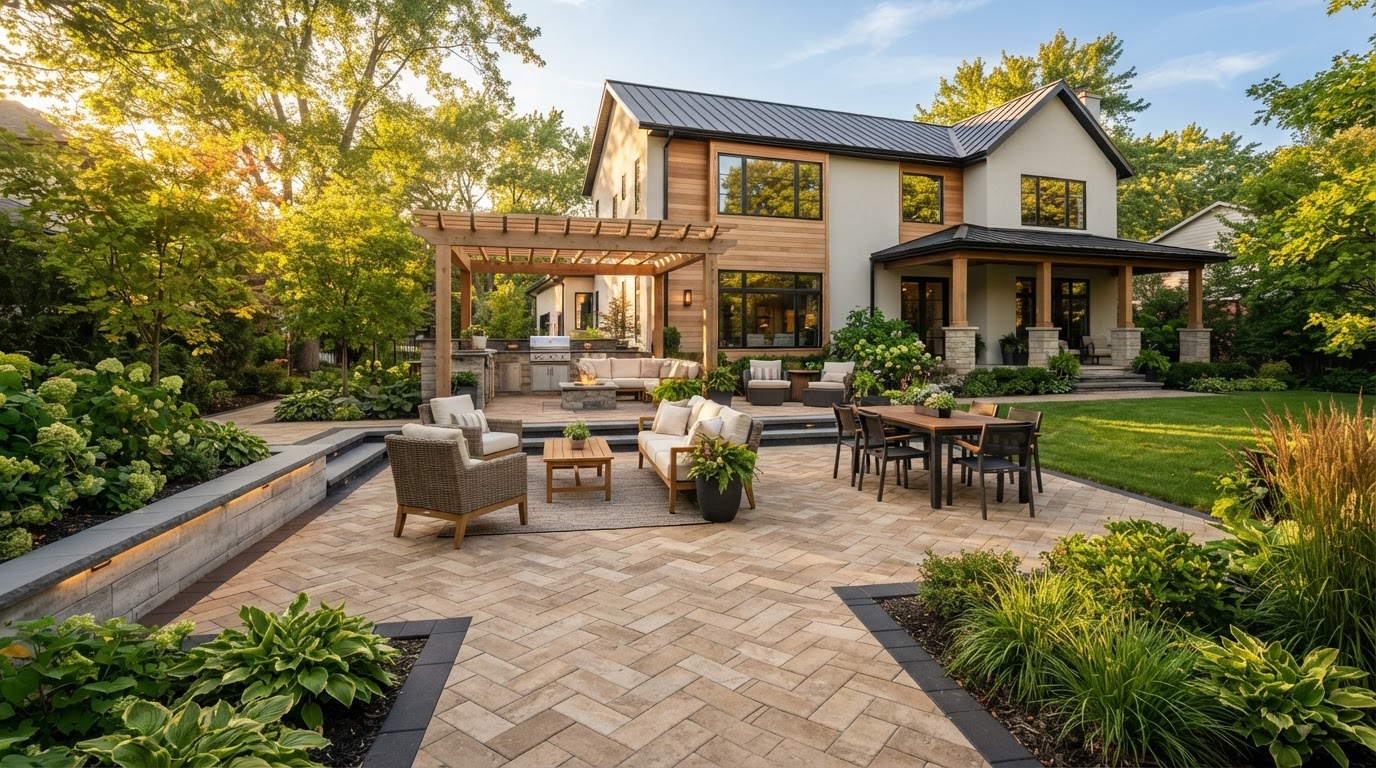
Once the functional layout works, materials and patterns make it beautiful. This is where a contractor's installed examples help — seeing real projects in similar styles lets you choose with confidence instead of from a catalog photo.
Timeline, permits, and what to expect
A well-built hardscape project takes time. Excavation, base preparation, and drainage come first — often the messiest and least visible part of the work. The finished surface goes down only after the base is right. Rushing the base to get to the pretty part faster is how projects fail early.
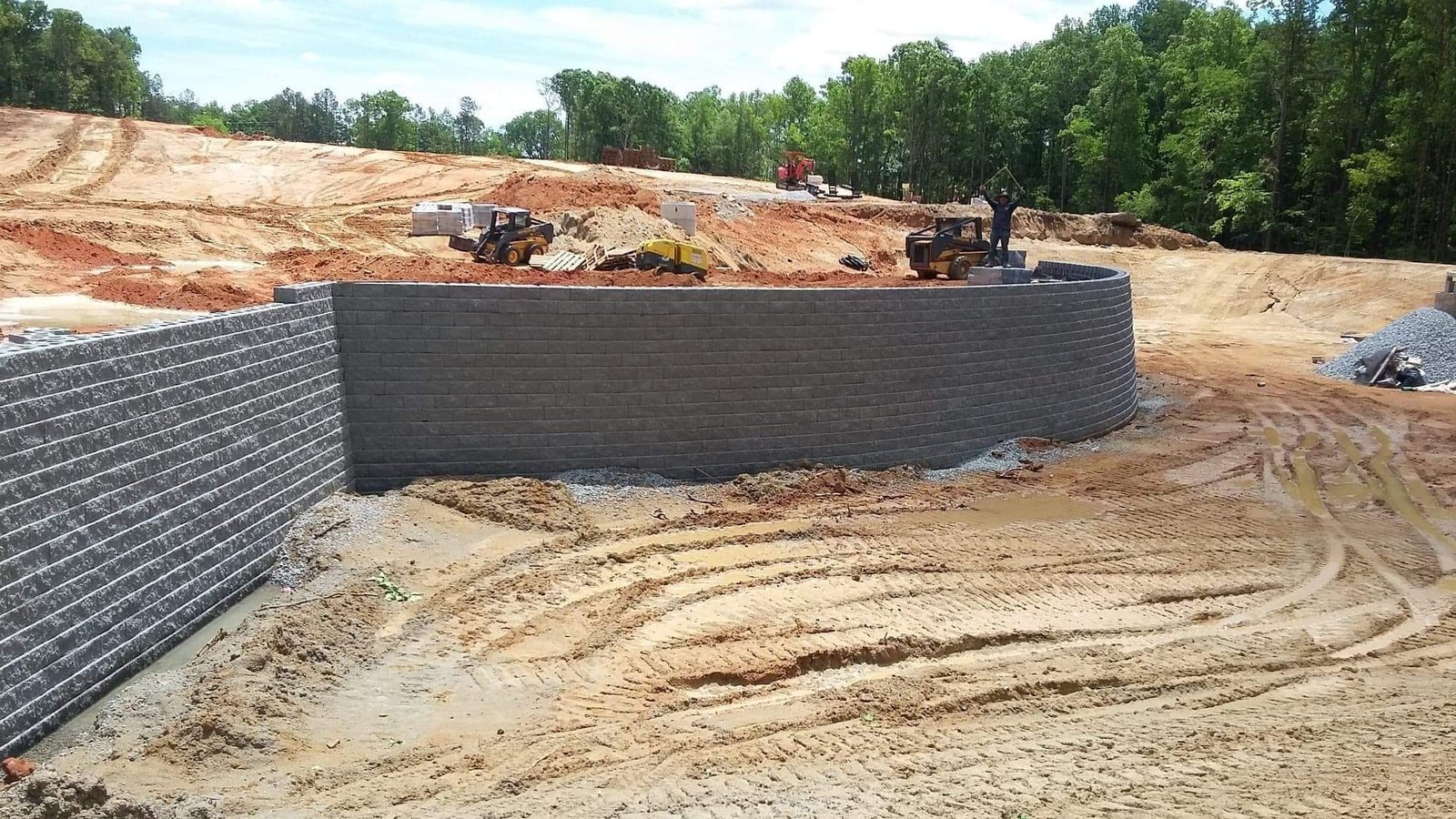
Some projects require permits, especially those involving retaining walls over a certain height or significant grading that changes water flow to a neighboring property. Your contractor should know what applies to your project and handle that process. Ask early so there are no surprises mid-build.
Frequently Asked Questions
How far in advance should I plan a hardscaping project?
Start planning a few months ahead, especially for larger projects. Design decisions, material selection, and scheduling all take time, and good contractors book out in advance.
Do I need a design before getting an estimate?
Not a finished one. A clear idea of what you want the space to do and a rough budget range is enough for a contractor to give you a meaningful estimate and shape the design with you.
What's the most common planning mistake?
Ignoring drainage. Planning the patio layout without solving where the water goes is the number one reason hardscape projects fail. Build drainage into the plan from day one.
Ready to Put This Into Practice?
Reading is a start. A site evaluation turns these ideas into a plan for your actual property.