
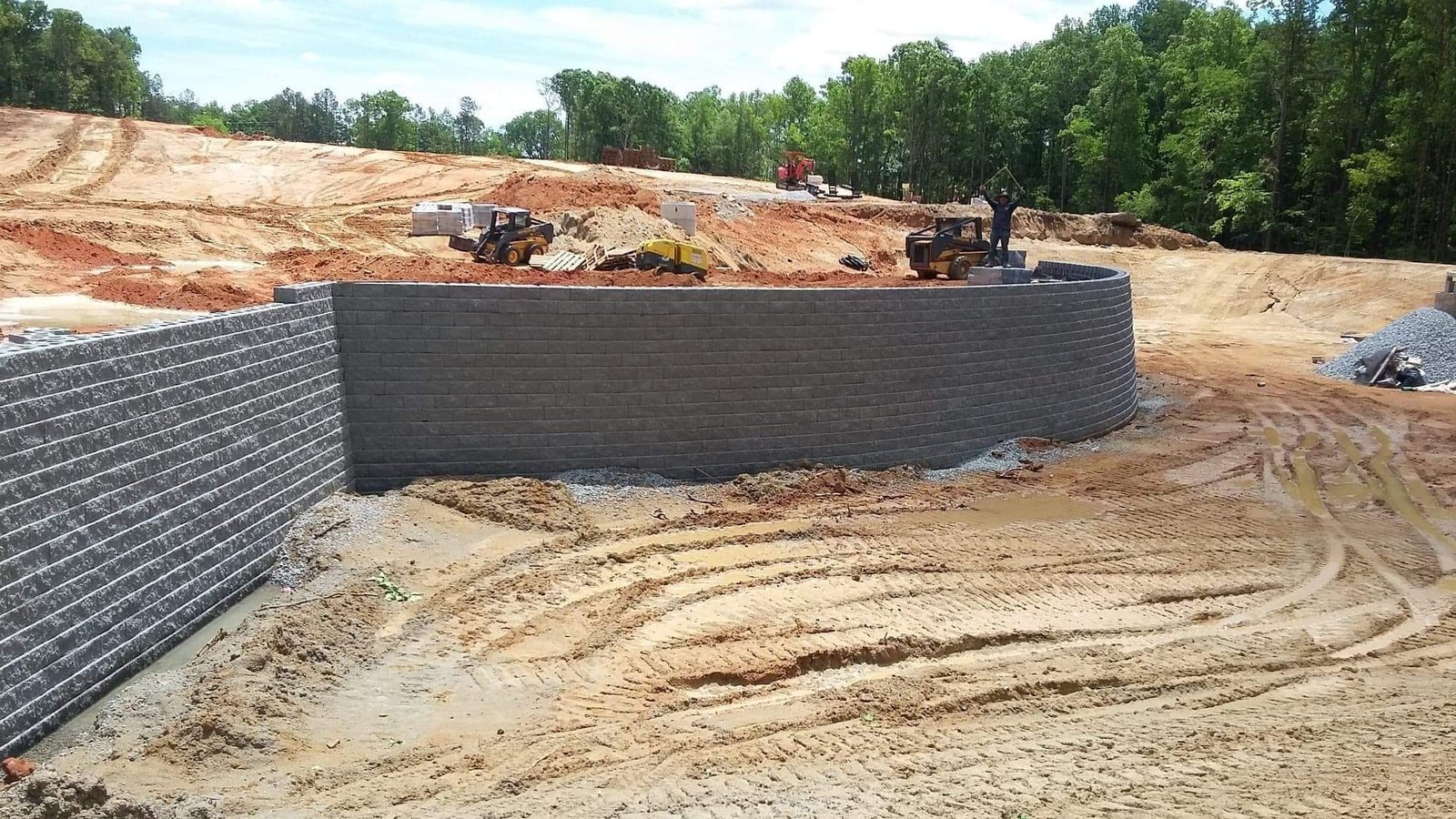
 Retaining Walls
How Much Does a Retaining Wall Cost in Georgia?
Retaining wall pricing depends on height, length, material, and how much excavation the slope needs. Here's what actually drives the cost — and what to watch for.
What actually determines the price
A retaining wall isn't priced by the foot alone. The biggest cost drivers are wall height, total length, the material you choose, and how much earth has to be moved to build it. A 2-foot decorative wall and an 8-foot wall holding back a slope are completely different projects.
Excavation and drainage work often cost more than the wall material itself. If the slope is steep, the soil is saturated, or access is tight for equipment, the labor and prep go up. That's why two walls of the same length can have very different prices.
Material options and what they mean for cost
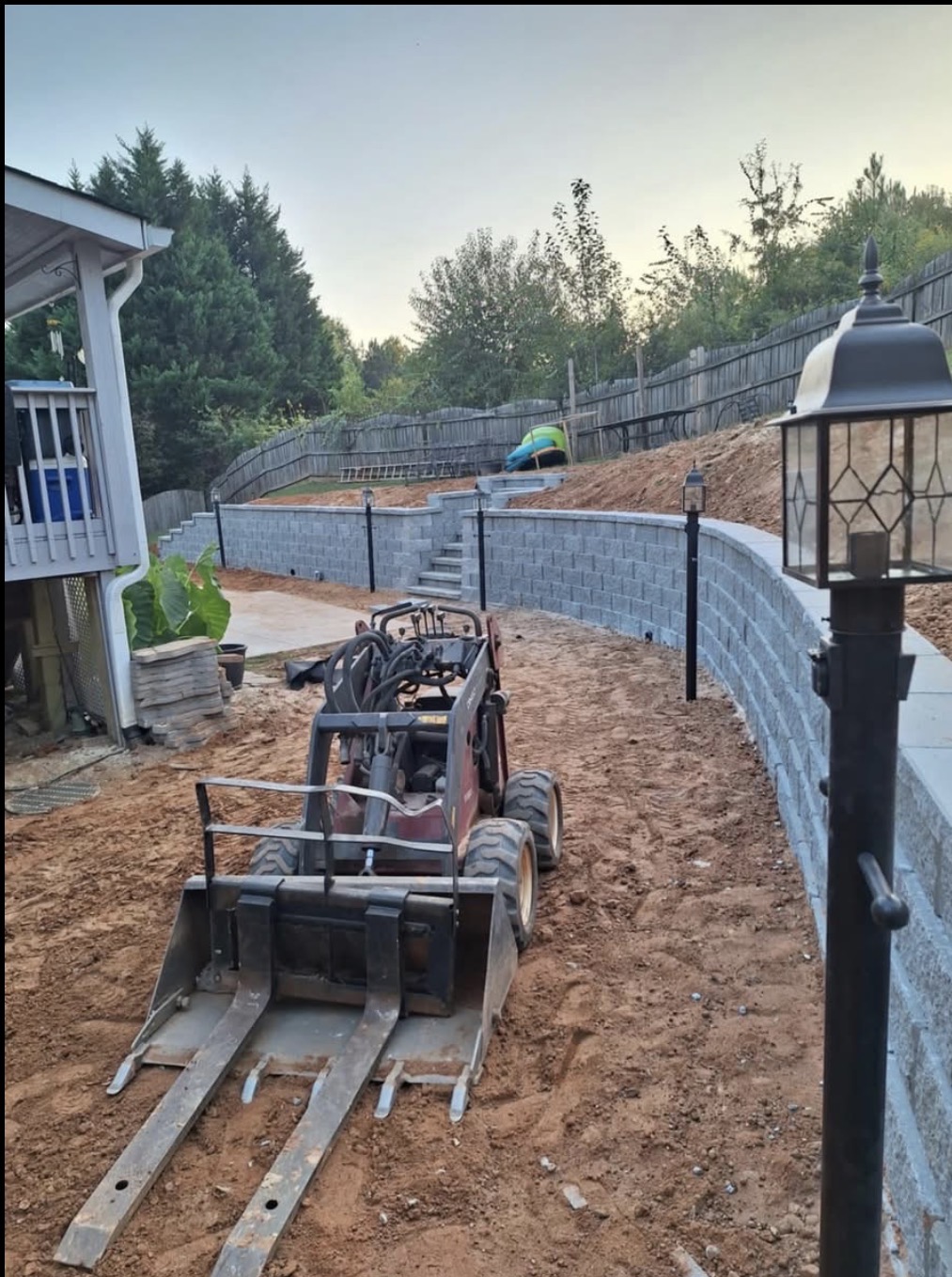
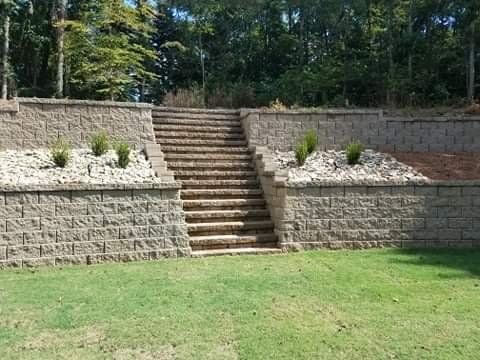
Modular block (segmental retaining wall block) is the most common choice — durable, engineered for structural use, and available in a range of colors and textures. It's typically the best balance of cost and performance.
Natural stone costs more because of the material and the labor to set each piece. Timber is the least expensive upfront but has the shortest lifespan in Georgia's humidity and termite pressure. We'll recommend based on what the wall needs to do and your budget.
Why drainage is not an optional line item
The leading cause of wall failure is water building up behind it. A wall without drainage aggregate and a perforated pipe is a wall with an expiration date. When that saturated soil pushes, the wall bows, leans, and eventually fails.
Proper drainage is built into every wall we estimate — it's not an add-on. If a quote you receive doesn't include drainage behind the wall, that's a red flag regardless of the price.
Getting an accurate number
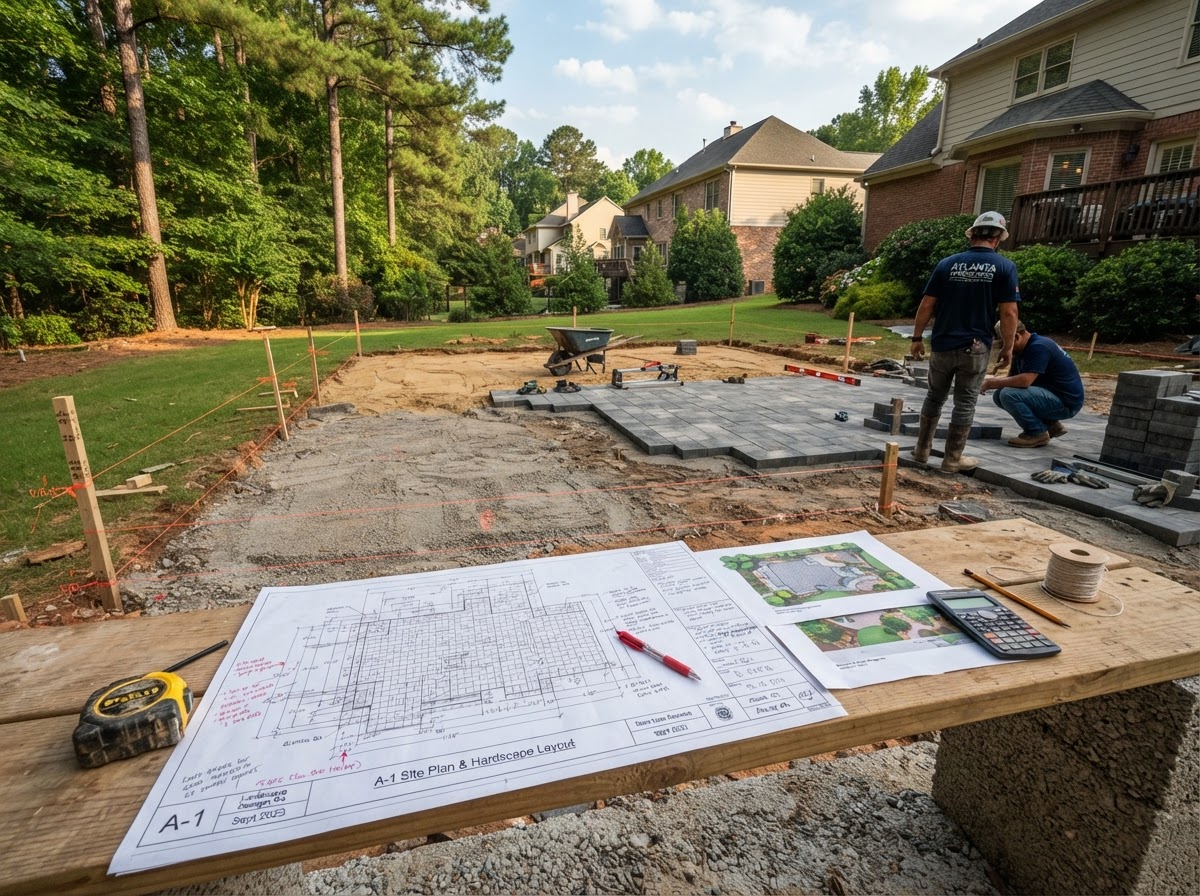
The only way to know what your wall will cost is a site evaluation. We look at the slope, soil, access, height, and what the wall is holding back, then provide a written estimate. Ballpark numbers online don't account for your property's specifics.
If you're budgeting, expect that taller walls, difficult access, and natural stone will push cost higher. Modular block walls on accessible lots with moderate slope are the most cost-effective structural option.
Frequently Asked Questions
Can I get a price per square foot?
Per-square-foot pricing ignores the variables that actually drive cost — height, excavation, drainage, and access. A site visit gives you a real number, not a guess.
Does a shorter wall cost less per foot than a tall one?
Yes. Taller walls need deeper footings, more block courses, more drainage aggregate, and often engineering. Cost rises faster than height.
Is a timber wall cheaper?
Upfront, yes. But timber walls in Georgia's climate typically last 10–15 years before rotting, while modular block walls last decades. Long-term, block is usually the better value.
Ready to put this into practice on your property?
Get a free, no-pressure estimate from a Metro Atlanta hardscaping contractor who builds it right the first time.
Request a free Estimate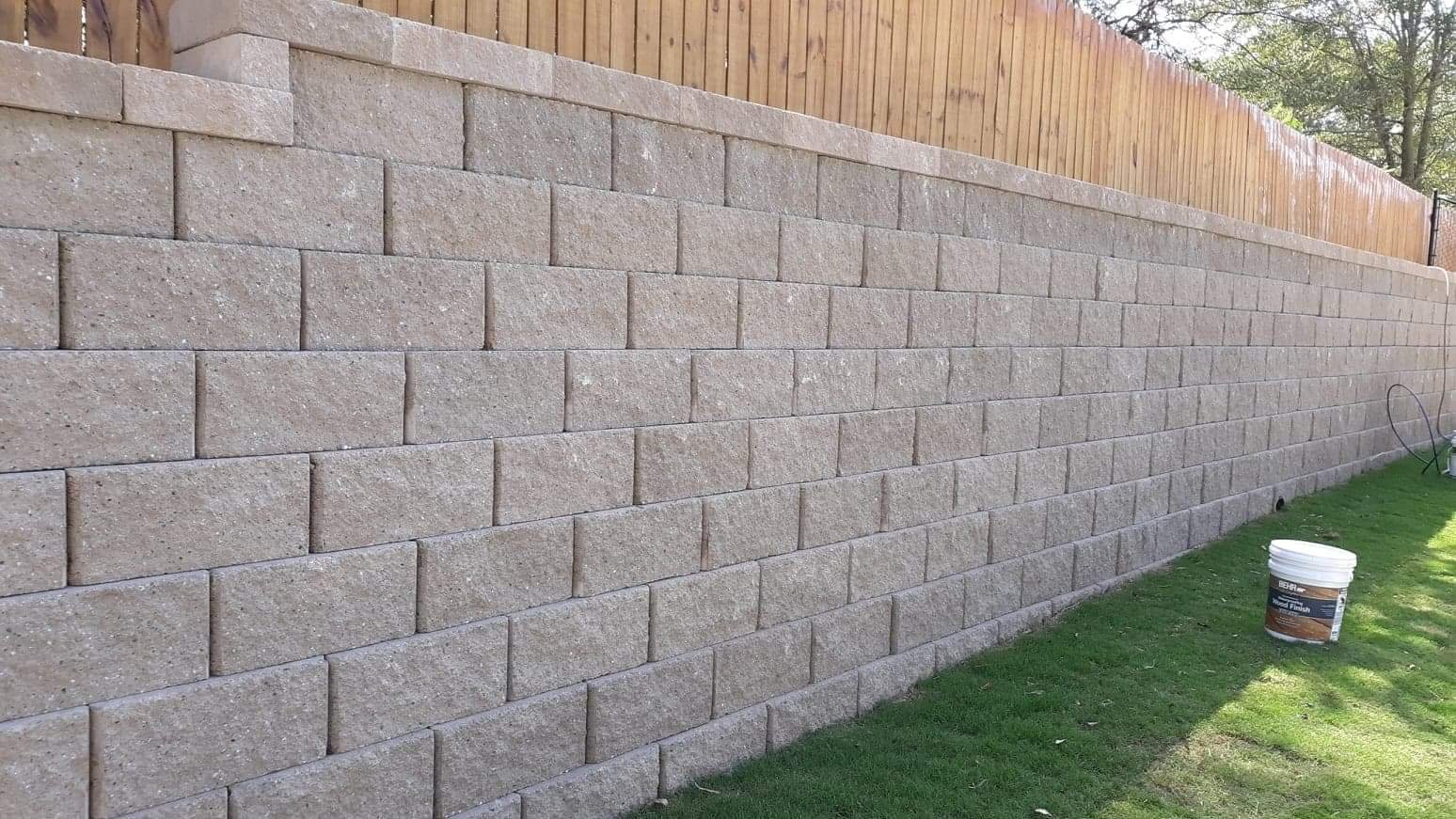
Ready to Put This Into Practice?
Reading is a start. A site evaluation turns these ideas into a plan for your actual property.