
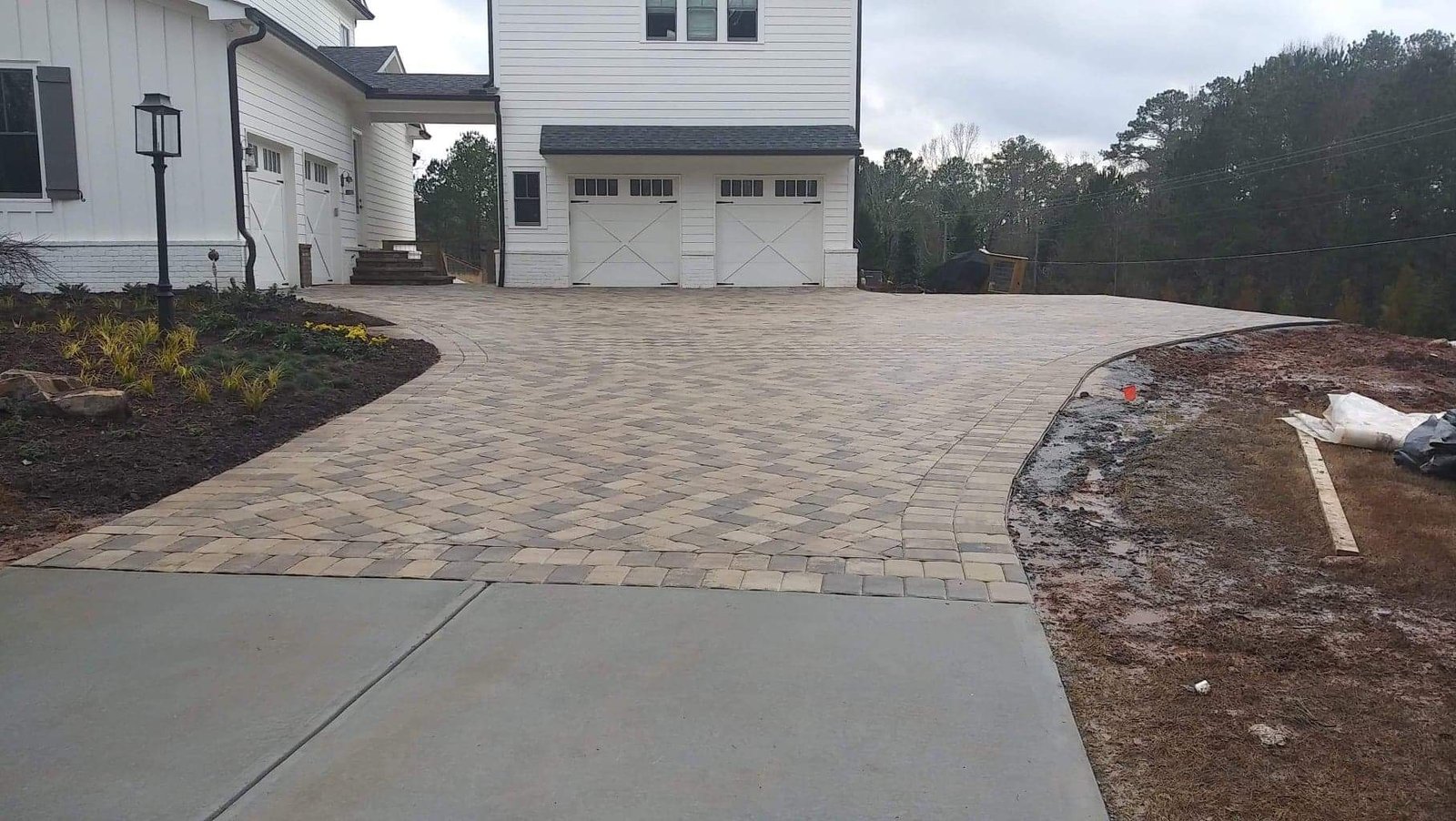
 Pavers
How to Prepare a Paver Patio for Winter in Atlanta
Atlanta’s fall weather is a good reminder to get your patio ready for colder days and occasional freezes. Use this practical checklist to clean, inspect, and protect your outdoor space before winter.
Atlanta’s fall can bring falling leaves, rainy stretches, and mild afternoons followed by chilly nights. That changing weather makes late autumn a useful time to look over your outdoor space. If you are wondering how to prepare a paver patio for winter, focus on a few manageable tasks: remove debris, check for changes, protect items that could be damaged by weather, and keep water moving away from the house.
Metro Atlanta winters are not uniformly cold, but occasional freezes can follow periods of rain. A little seasonal attention can help you spot maintenance needs before spring patio use picks up again. Here is a homeowner-friendly checklist for preparing your pavers without assuming every patio needs the same treatment.
Start with a careful fall cleanup
Leaves, seed pods, and other organic debris can collect between pavers and in corners, especially where a patio meets a garden bed or wall. When wet, a layer of debris can be slippery and may leave marks if it sits for a long time. Begin by sweeping the surface and removing leaves from edges and joints.
For routine cleaning, use a broom or a garden hose and avoid aggressive methods unless you know they are appropriate for your pavers. High-pressure washing can disturb joint material or affect the surface, depending on the paver and how the equipment is used. If you are considering a stronger cleaner or power washing, check the paver manufacturer’s guidance first.
Keep nearby plants and soil in mind
Georgia red clay can cling to shoes and tools, so brush off soil before it gets tracked across the patio. If nearby planting beds are being tidied for winter, avoid piling wet leaves or loose soil against the paver edge. A clean border makes it easier to see the patio’s outline and notice any changes.
Also check the area beneath outdoor furniture and planters. Moving items briefly can reveal debris or discoloration that would otherwise remain hidden. Use care when lifting heavy objects so you do not scrape or chip the pavers.
Look for changes in the surface and joints
As you clean, scan the patio in good light. Look for pavers that appear newly uneven, shifted, cracked, or loose, and note any joints where material seems to be missing. A visual check does not require special tools; it is simply a way to notice changes before they become harder to evaluate.
Some small variations may be part of the patio’s original appearance, so compare what you see with older photos if you have them. Pay particular attention to edges, steps, and places where people walk often. If an area has changed noticeably, avoid guessing at a repair method based only on appearance. The right approach depends on the patio’s construction and the source of the movement.
Do not automatically add joint material
Joint material is not the same for every paver installation. If you see gaps, first identify what material was used and check the product instructions or ask a qualified professional what is suitable. Applying an incompatible product can create a new maintenance problem instead of solving the original one.
For broader patio planning or installation questions, see Barahona Landscaping LLC’s paver patio services. If the surface has a significant change or you are unsure what you are seeing, getting an informed assessment is more useful than making a patch without understanding the cause.
Pay attention to water after rain
Fall and winter rain can make it easier to observe how water behaves around a patio. After a storm, take a look from a safe spot and note whether water appears to be directed toward the home, stairs, or a frequently used walking area. Avoid standing on slippery pavers while inspecting them.
This is not a reason to assume there is a problem. Instead, treat it as an observation to keep in mind, particularly on a sloped lot or where the patio meets a foundation, planting bed, or walkway. If you repeatedly notice water moving somewhere it should not, record the location and conditions. That information can help a professional understand what you are seeing.
Keep downspout outlets and visible surface inlets clear of leaves if they are near the patio, and do not cover them with furniture or stored items. These simple checks help keep routine fall debris from obstructing the places intended to carry water away.
Store or secure furniture and accessories
Decide which items should stay outside and which should be stored or covered. Follow the manufacturer’s instructions for furniture, cushions, umbrellas, grills, and decorative accessories. Bring cushions and fabric items indoors when they are not in use, and make sure covers are appropriate for the item rather than tightly trapping moisture against it.
Before storing furniture, clean and dry it as directed. If larger pieces remain on the patio, position them so they do not block doors, walkways, or visible drainage points. Avoid dragging furniture across the pavers; lift it when possible, or use suitable protective pads beneath the feet.
For grills and fire features, follow the manufacturer’s safety and storage instructions. Make sure equipment is fully cool before covering or moving it, and keep combustible materials at a safe distance. Do not use a cover or storage method that conflicts with the product’s instructions.
Use caution during a cold snap
Atlanta may have mild winter days, but temperatures can still dip below freezing at times. If you use a deicer on or near your patio, check the paver manufacturer’s recommendations and the deicer label first. Products can vary, and a material that is appropriate for one surface may not be suitable for another. Avoid applying a product simply because it is commonly used elsewhere.
When frost or ice is present, keep foot traffic to a minimum until the surface is safe. Do not chip at ice with sharp metal tools, which can damage pavers. If you need to clear snow or ice, use a method recommended for your particular surface and proceed gently.
These precautions are part of a sensible plan to prepare a paver patio for winter, not a guarantee that every issue can be prevented. Existing movement, poor surface conditions, or an unsuitable cleaning or deicing product may require a different response.
Make a short list for spring
After cleanup and inspection, write down anything you want to revisit: a joint that looks different, an area that seems uneven, a spot where water travels, or a piece of furniture that needs attention. A few dated photos can make it easier to compare the same locations after winter. You do not need to monitor the patio constantly; the goal is to remember observations that may matter later.
If the patio needs more than routine cleaning, consider asking a professional to evaluate it before planning repairs. Barahona Landscaping LLC works with homeowners across Metro Atlanta, including Atlanta, Lawrenceville, Norcross, Decatur, Dunwoody, Sandy Springs, and Scottdale. The appropriate next step depends on the patio and what you have observed.
With leaves cleared, belongings stored appropriately, and changes noted, you can head into the colder months with a better understanding of your outdoor space. For help discussing a patio project or next steps, contact Barahona Landscaping LLC.
Frequently Asked Questions
When should I prepare a paver patio for winter in Atlanta?
Late fall is a practical time to clear leaves, check the patio, and store seasonal items before colder weather and occasional freezes arrive.
Should I pressure wash my paver patio before winter?
Not automatically. Check the paver manufacturer’s guidance first, since high pressure may disturb joint material or affect some surfaces.
Can I use deicer on pavers in winter?
Check the paver manufacturer’s recommendations and the deicer label before applying anything. Products vary, and not every option is suitable for every surface.
What should I do if I notice a paver has shifted?
Note the location and compare it with earlier photos if available. If the change is significant or you are unsure of the cause, ask a qualified professional to assess it before attempting a repair.
Ready to put this into practice on your property?
Get a free, no-pressure estimate from a Metro Atlanta hardscaping contractor who builds it right the first time.
Request a free Estimate
Ready to Put This Into Practice?
Reading is a start. A site evaluation turns these ideas into a plan for your actual property.